Technical Principles
Electrical Encyclopedia
Industry Solutions
Technical Knowledge Sharing
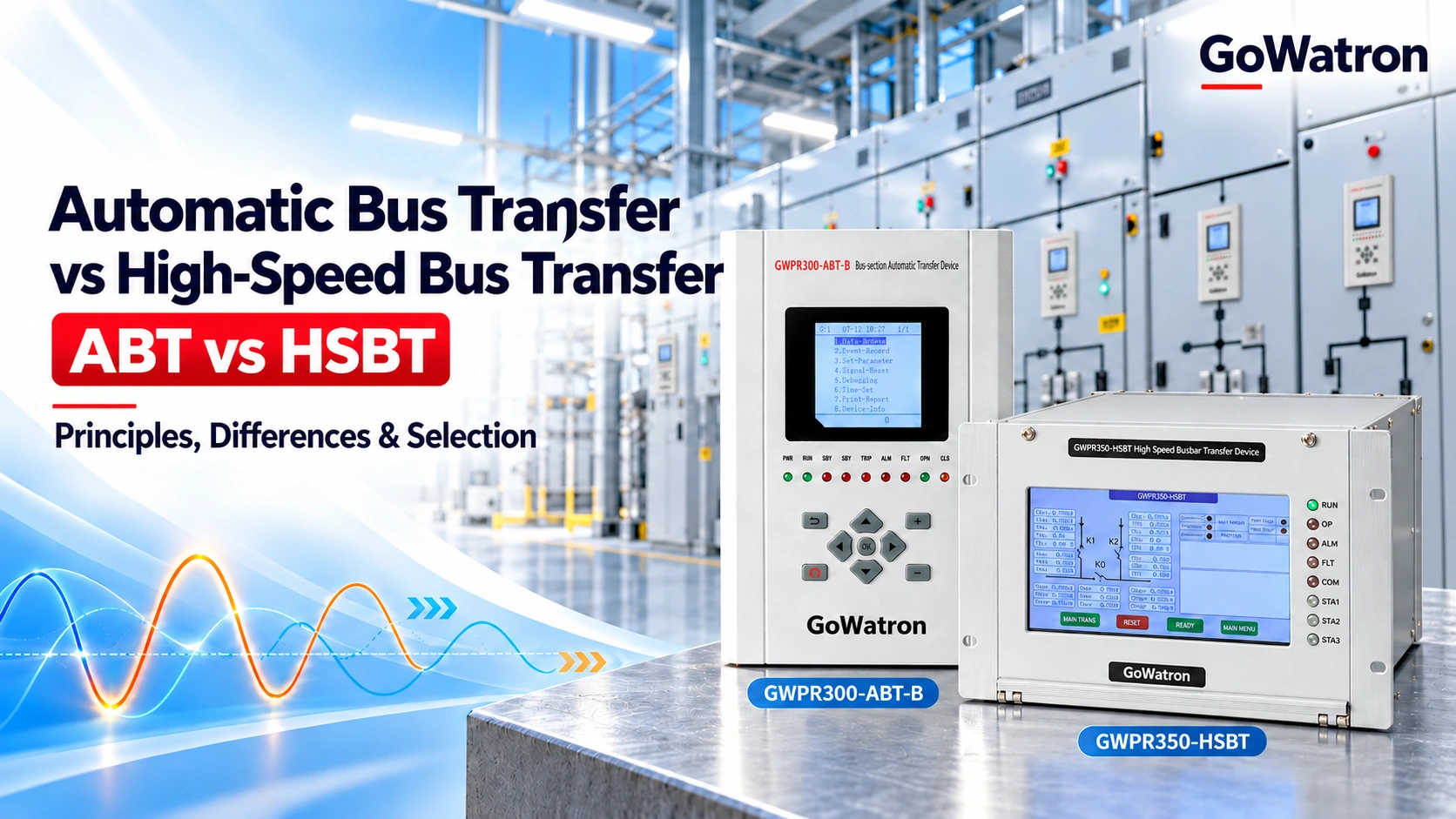
Automatic Bus Transfer vs High-Speed Bus Transfer: Differences, Principles and Selection
Automatic bus transfer devices and high-speed bus transfer devices both transfer loads from a normal power source to an alternative source when the normal source fails or becomes abnormal. However, they differ significantly in their operating objectives, transfer criteria, operating speed, synchronism supervision and typical applications. In simple terms: An automatic bus transfer device restores […]
2026-09-20
Read more →
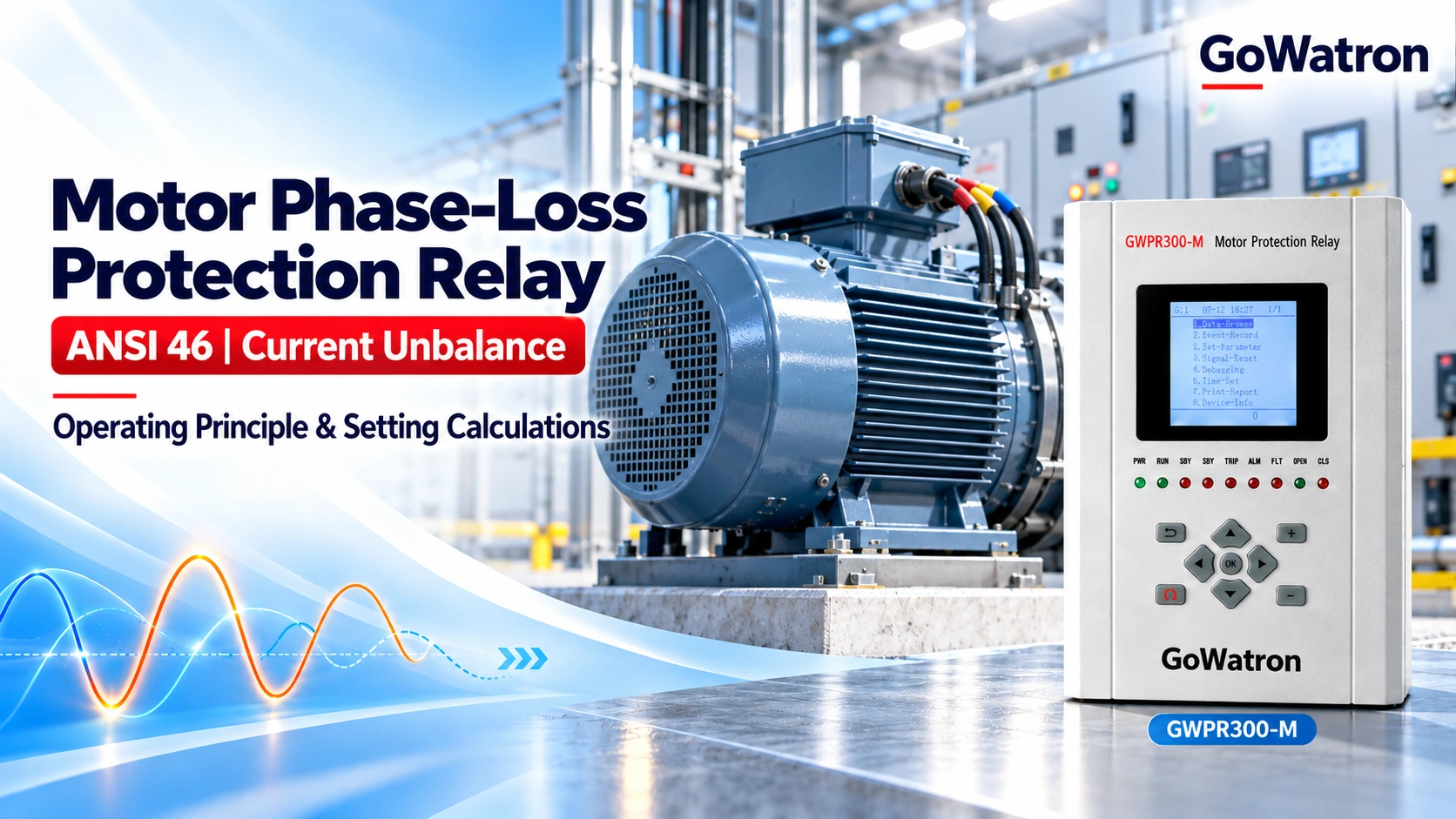
Motor Phase-Loss Protection Relay: Operating Principle, Functions and Setting Calculations
Motor phase loss, also known as open-phase operation or single phasing, occurs when one phase of a three-phase power supply or one phase current is interrupted. A three-phase motor may fail to start if phase loss is present before starting. If phase loss occurs while the motor is running, the motor may continue to rotate, […]
2026-09-20
Read more →
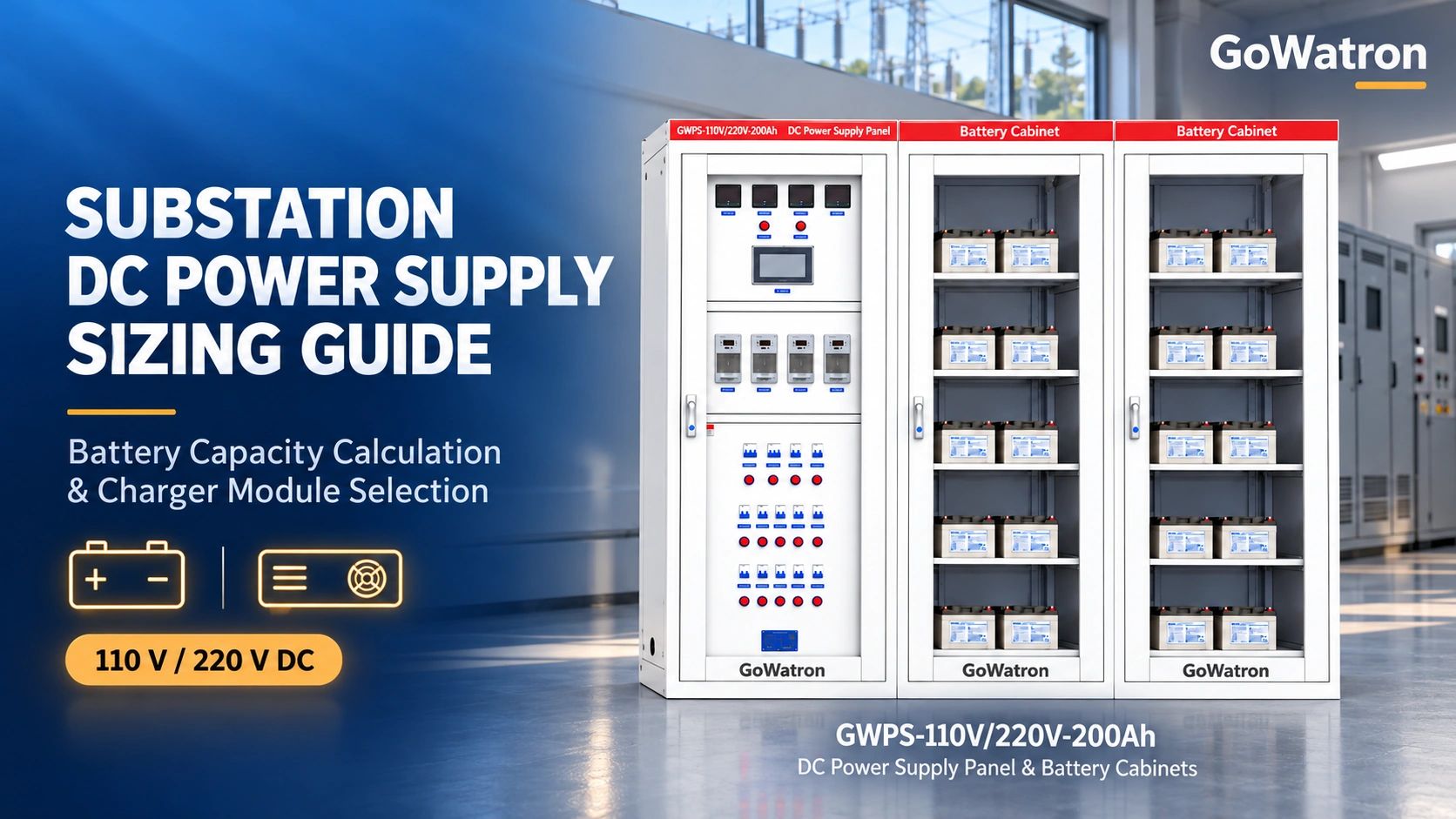
How to Select Substation DC Power Supply System Panel Capacity and Charger Modules
This guide explains how to size a substation DC power supply system panel, covering nominal DC voltage selection, load classification, backup duration, battery capacity calculation, momentary-load verification and N+1 charger module configuration.
2026-09-19
Read more →
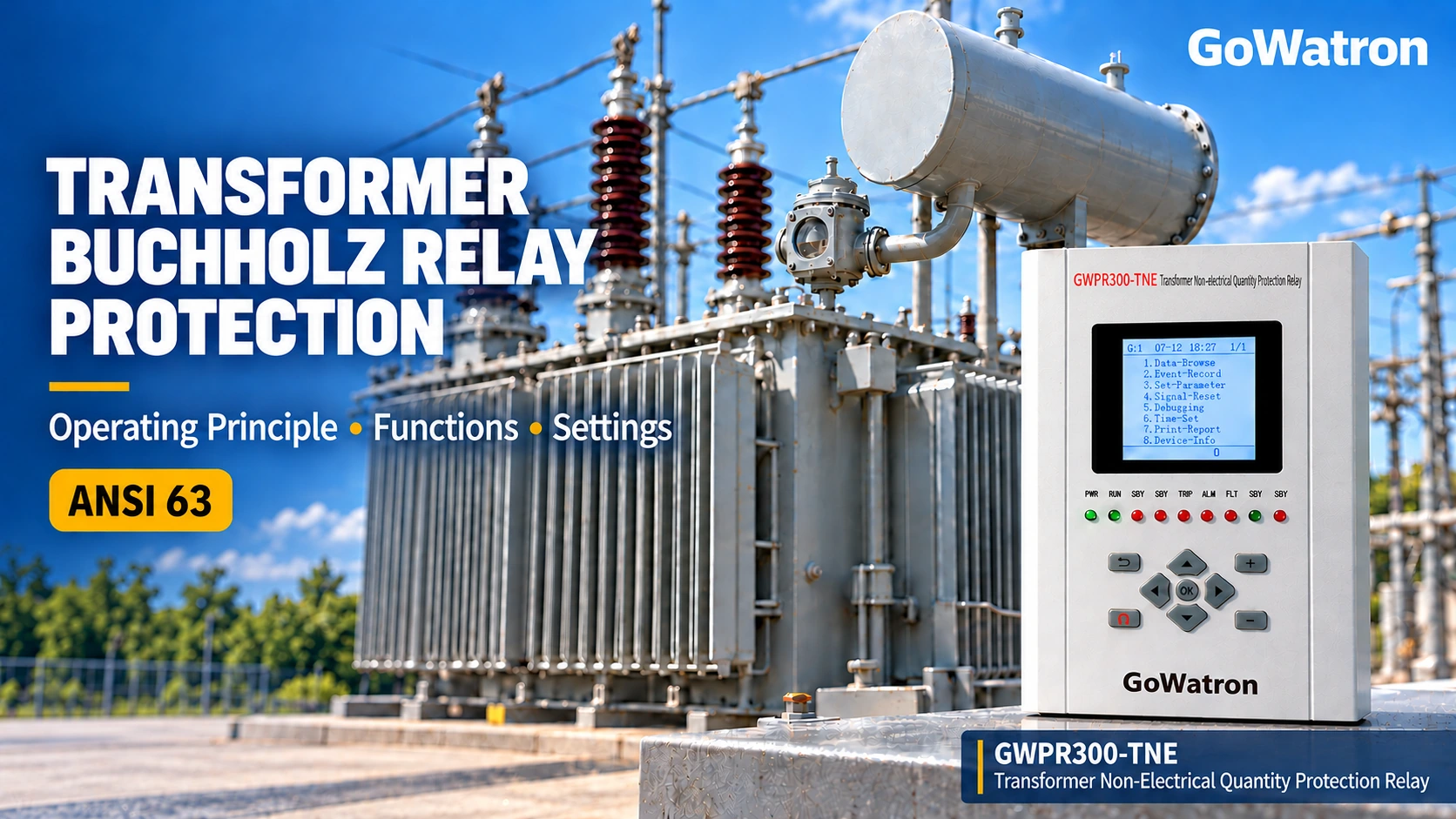
Transformer Buchholz Relay: Operating Principle, Functions and Setting Calculations
A Buchholz relay is a gas and liquid actuated relay used to protect conservator-type liquid-immersed transformers and reactors. It is installed in the pipe connecting the transformer main tank to the conservator. In accordance with IEC terminology, a Buchholz relay is intended to detect: Gas release from the protected equipment; Liquid surge from the main […]
2026-09-13
Read more →
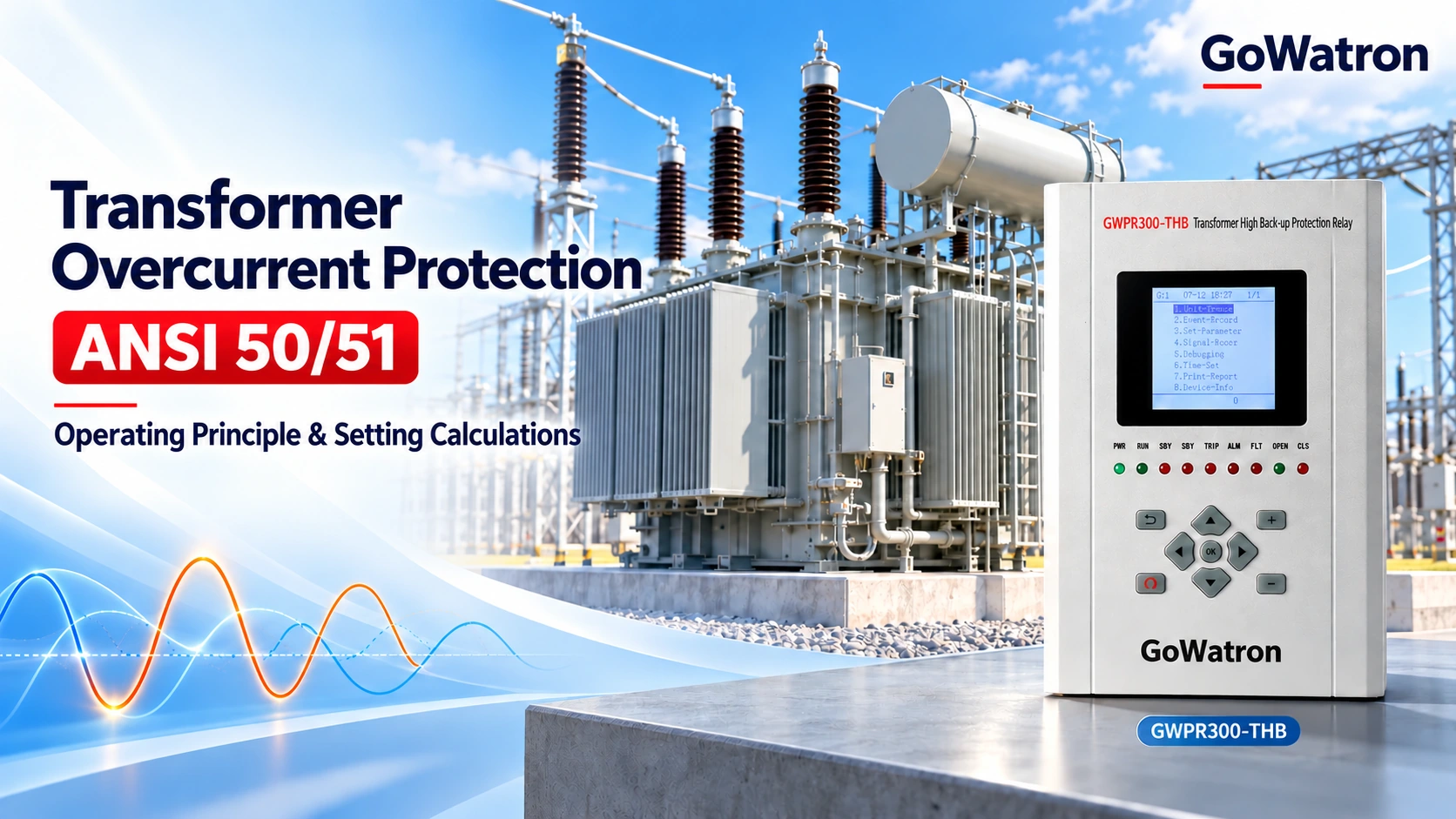
Transformer Overcurrent Protection Relays: Operating Principle and ANSI 50/51 Setting Calculations
Transformer overcurrent protection relays continuously monitor transformer currents through current transformers (CTs). When the measured current exceeds the configured pickup setting and the relevant operating conditions are satisfied, the relay sends a trip command to the circuit-breaker to clear the fault. For small and medium-sized distribution transformers, overcurrent protection may serve as the main protection. […]
2026-09-13
Read more →
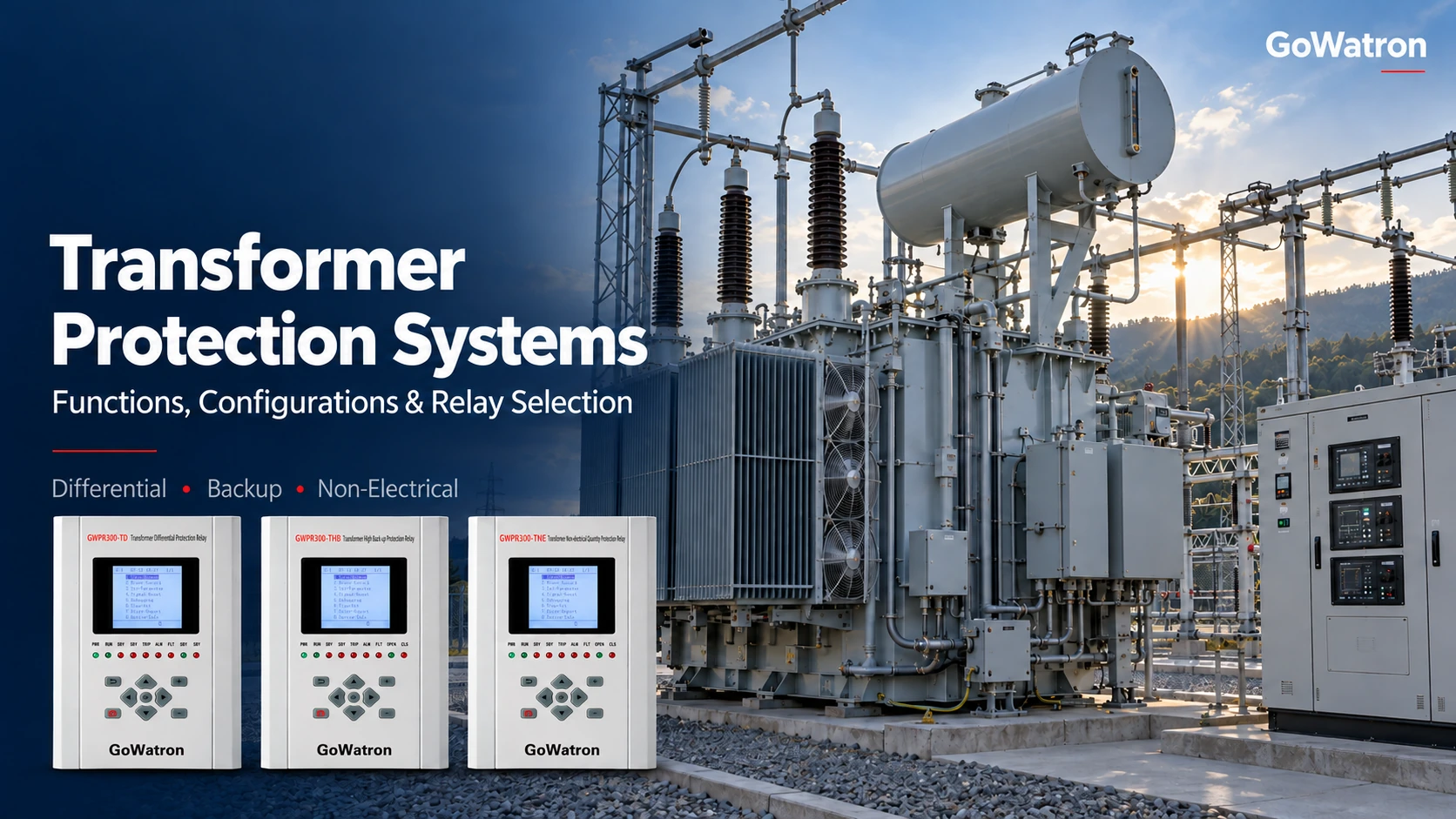
Transformer Protection Systems: Protection Functions, Typical Configurations and Relay Selection
Transformers are critical assets in power plants, substations, renewable-energy installations and industrial power-distribution systems. Winding short circuits, earth faults, overexcitation, overloading, mechanical faults and abnormal non-electrical conditions can damage the transformer, interrupt the power supply and, in severe cases, cause a fire. A transformer protection system monitors electrical quantities and non-electrical conditions, including current, voltage, […]
2026-09-12
Read more →
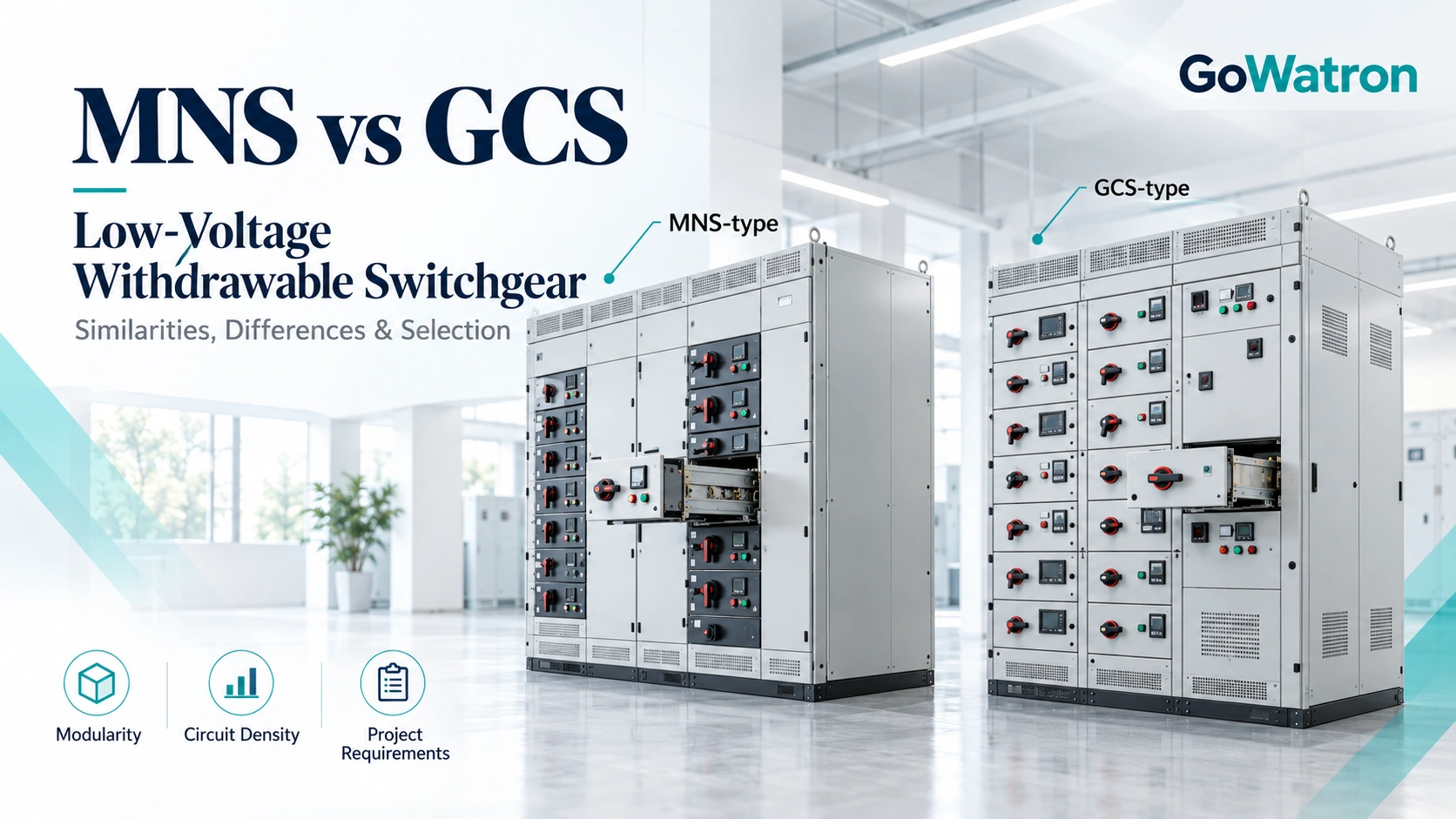
MNS vs GCS Low-Voltage Withdrawable Switchgear: Similarities and Differences
1. Similarities They belong to the same product category. Both are types of low-voltage switchgear and controlgear assemblies that incorporate withdrawable functional units, typically used in 380/400/415 V AC distribution systems. They provide similar primary functions. Both can incorporate incoming units, outgoing feeder units, bus-coupler units, motor-control units and reactive power compensation units. They can […]
2026-09-11
Read more →
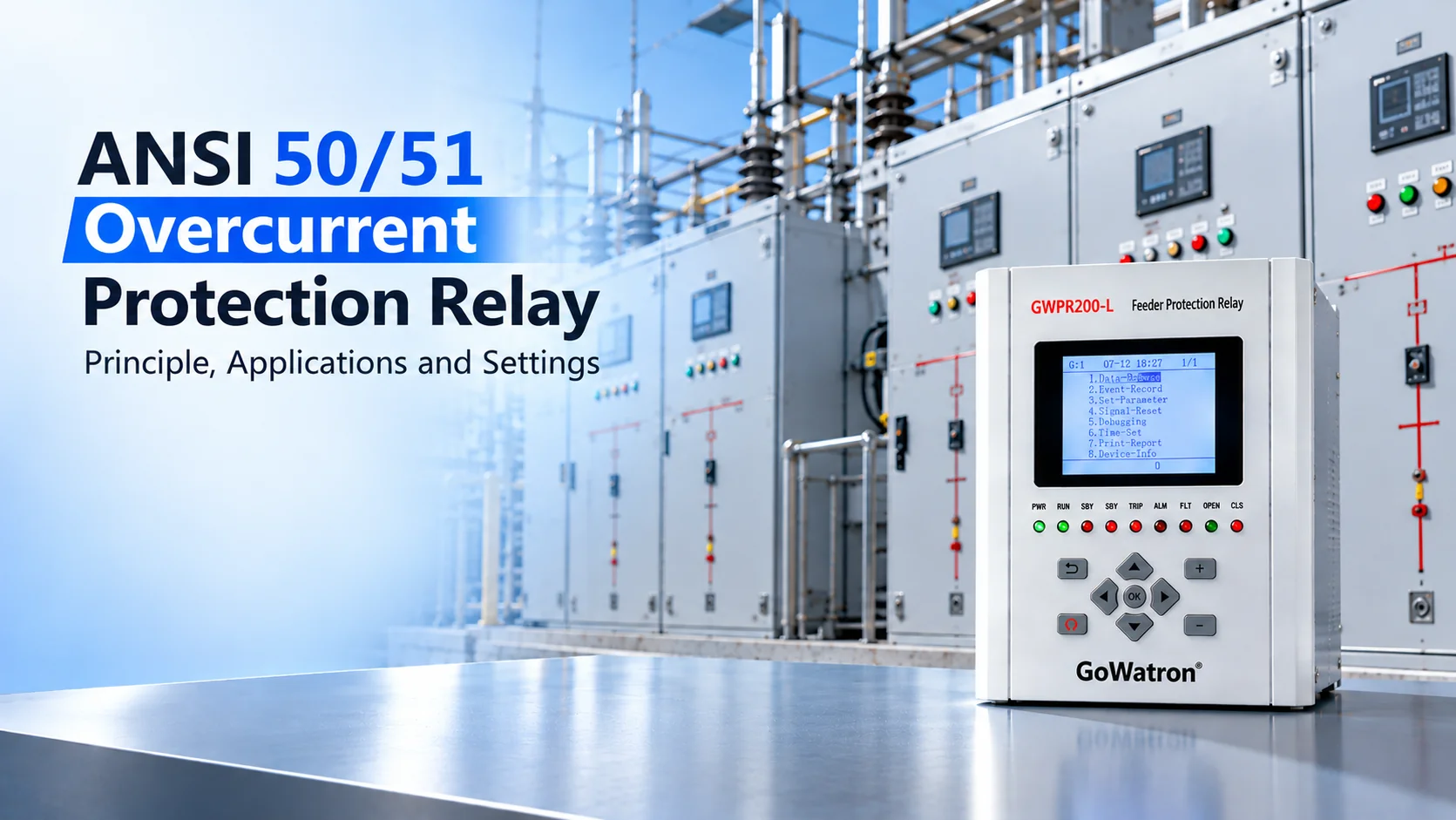
Where Are ANSI 50/51 Overcurrent Protection Relays Used?
1. What Is ANSI 50/51 Overcurrent Protection? An overcurrent protection relay continuously measures the current flowing through a power circuit. When the measured current exceeds the configured pickup value and the applicable operating criteria are satisfied, the relay issues a trip command to the circuit breaker. This isolates the faulty equipment or circuit section and […]
2026-09-09
Read more →


