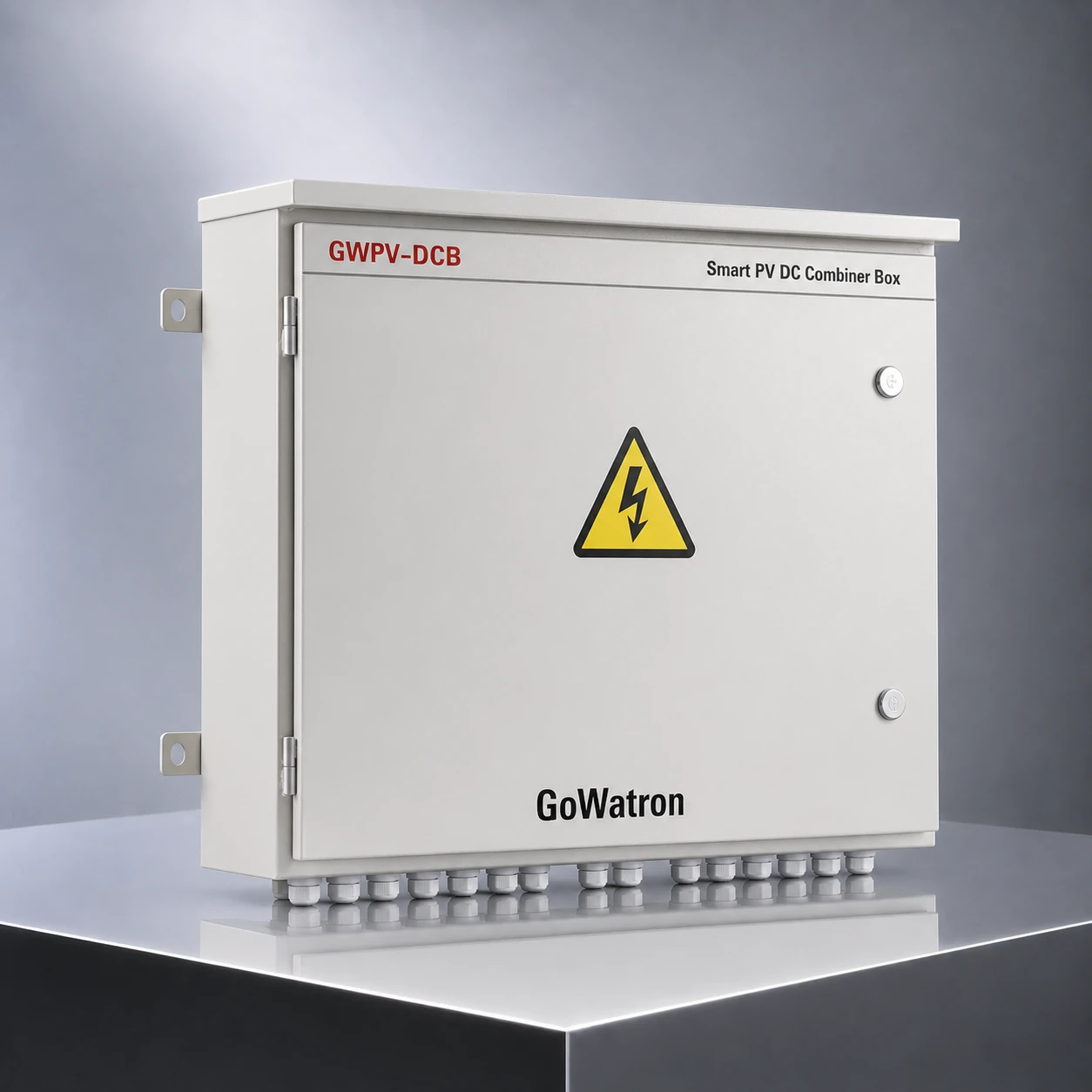
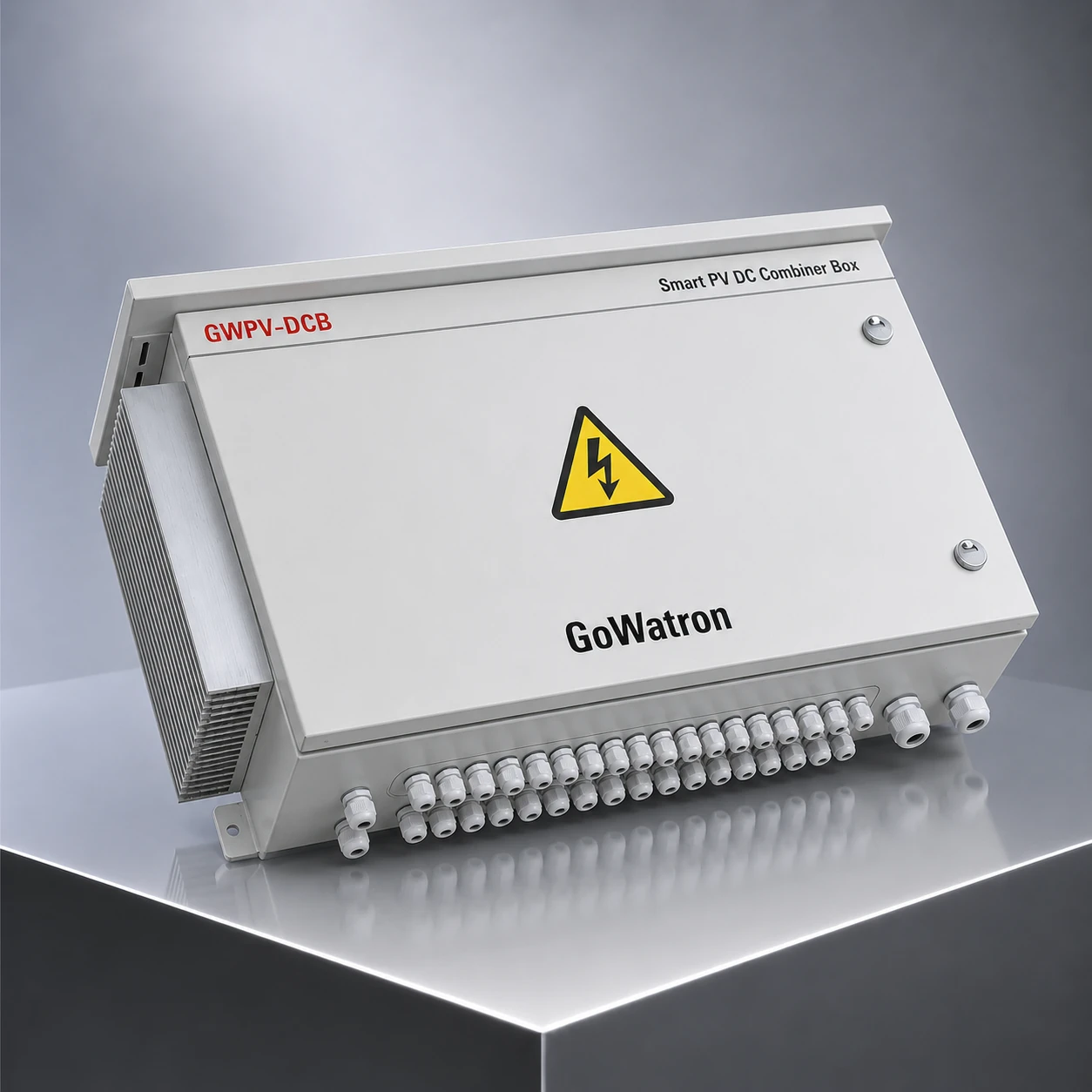
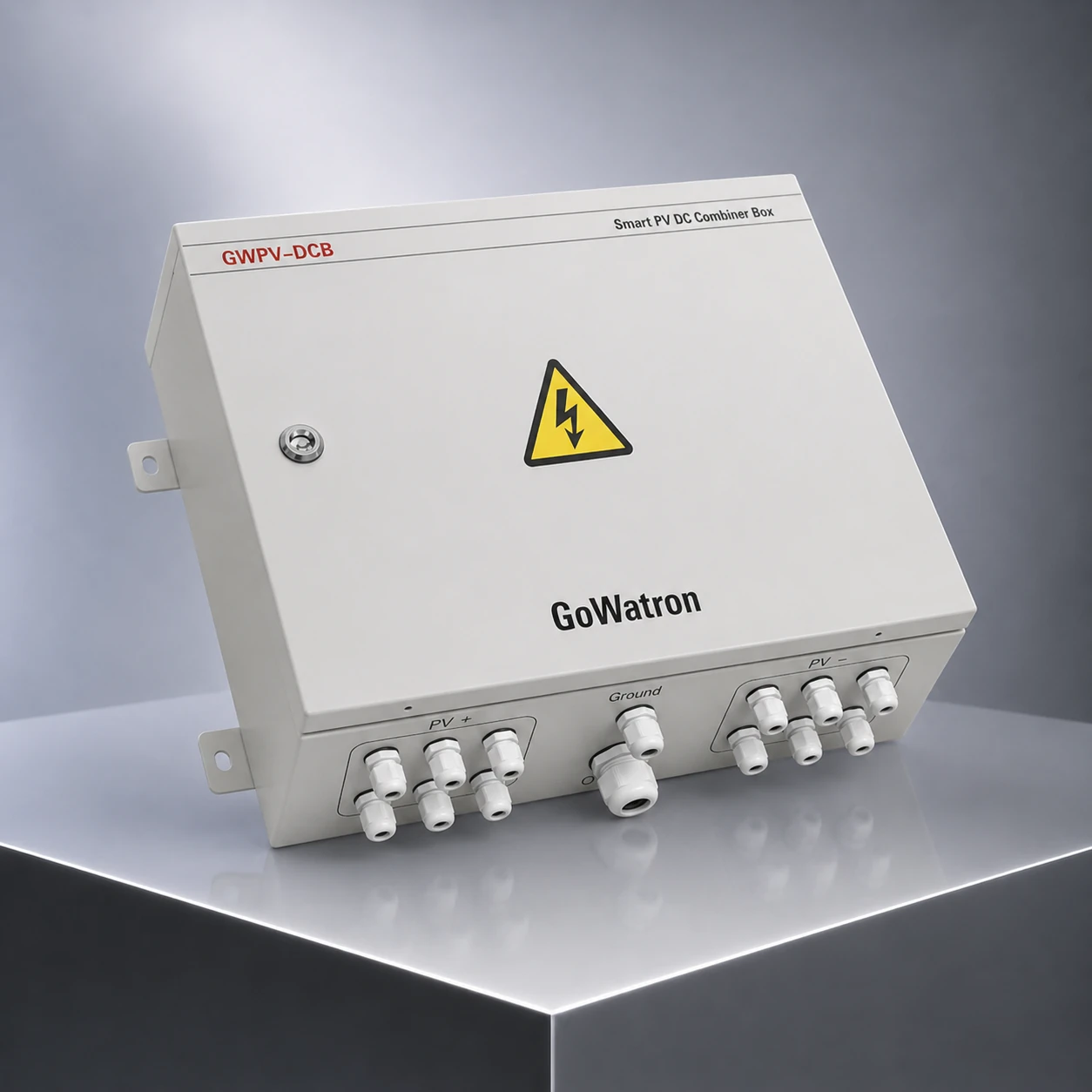
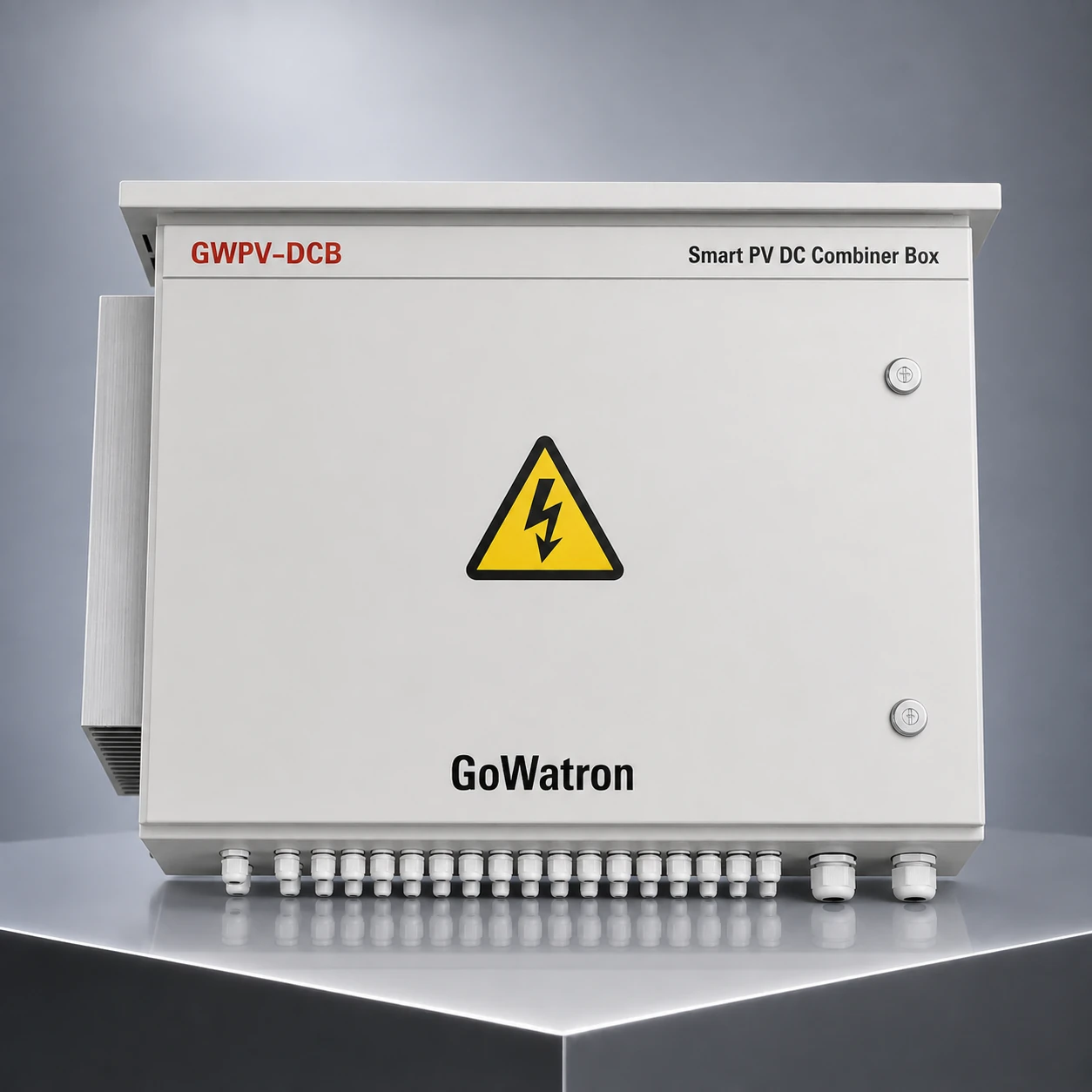
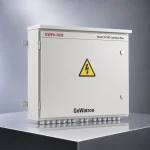
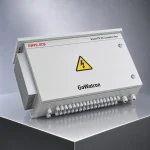
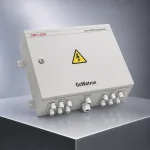
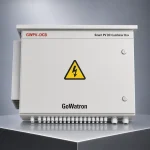
GWPV-DCB 1000V/1500V Smart PV DC Combiner Box
- The GWPV-DCB Smart PV DC Combiner Box combines the DC outputs of multiple photovoltaic strings into a single output for connection to the DC input of a PV inverter.
- It integrates string combining, branch-circuit overcurrent and short-circuit protection, surge protection, output isolation, intelligent monitoring, and remote communication. The GWPV-DCB simplifies DC wiring and enhances system safety, fault detection, and O&M efficiency.
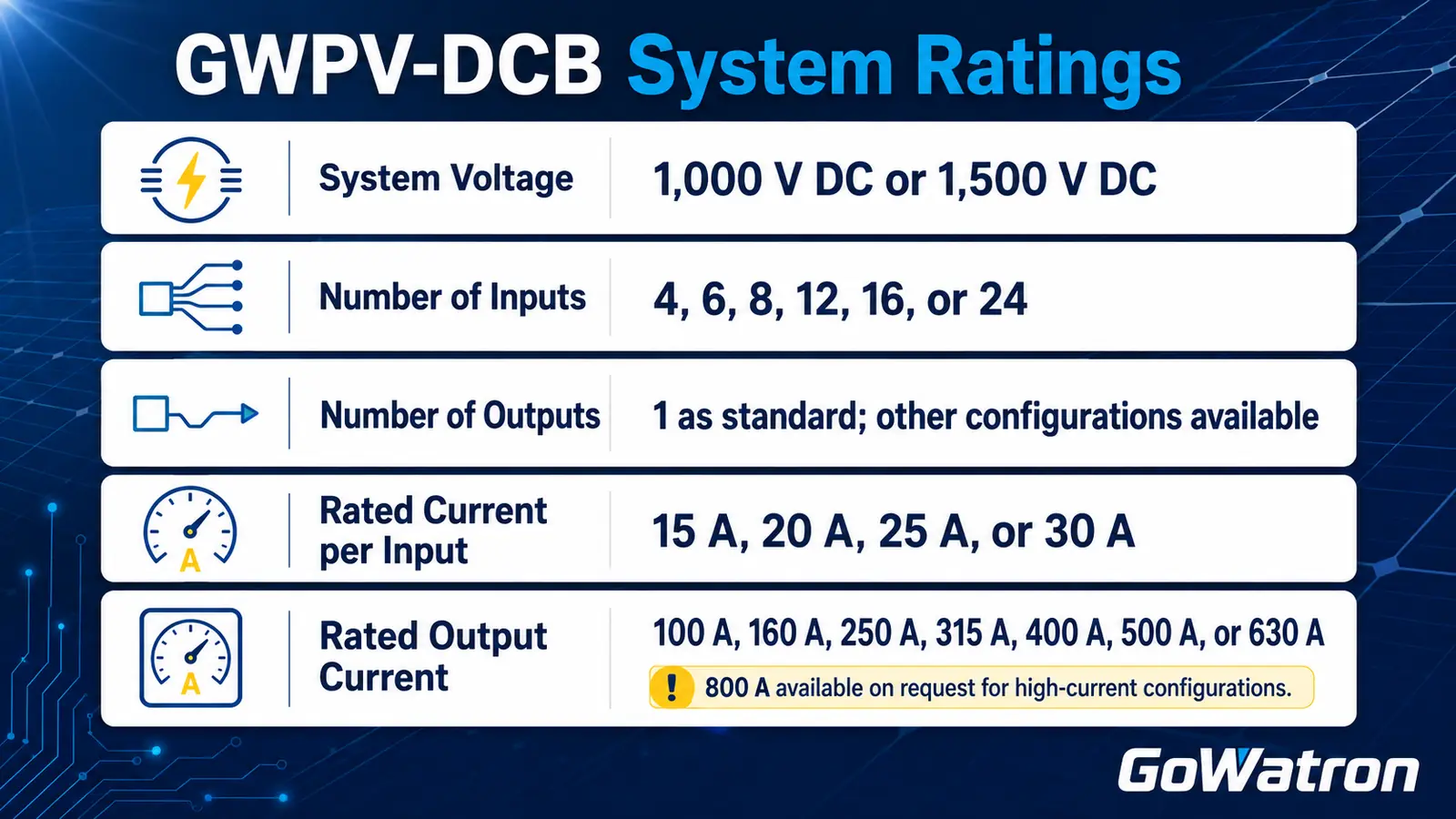
- The series supports 1,000 V DC and 1,500 V DC PV systems and is available with 4, 6, 8, 12, 16, or 24 string inputs. It is suitable for commercial and industrial rooftop installations and utility-scale PV power plants.




Key Features
- 1,000 V DC and 1,500 V DC versions
Compatible with mainstream PV modules and inverter DC input systems. - 4 to 24 string inputs
Combines multiple PV strings into a single DC output, reducing cabling requirements and simplifying installation. - Comprehensive DC-side protection
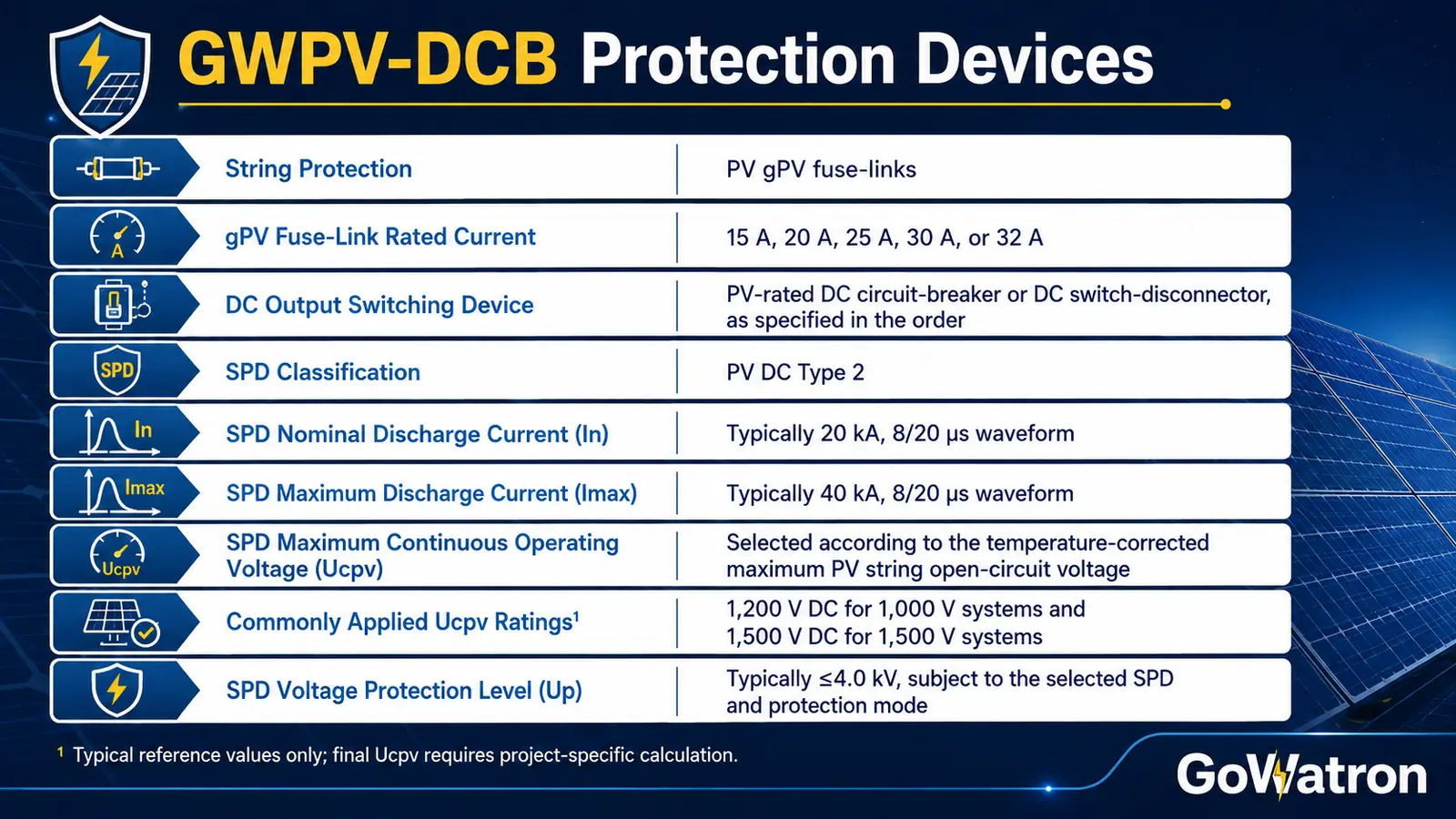
Each input circuit is protected by a gPV fuse-link. The output circuit incorporates a PV-rated DC output switching device—a DC circuit-breaker or DC switch-disconnector, as specified—and a PV DC Type 2 surge protective device. - String-level monitoring
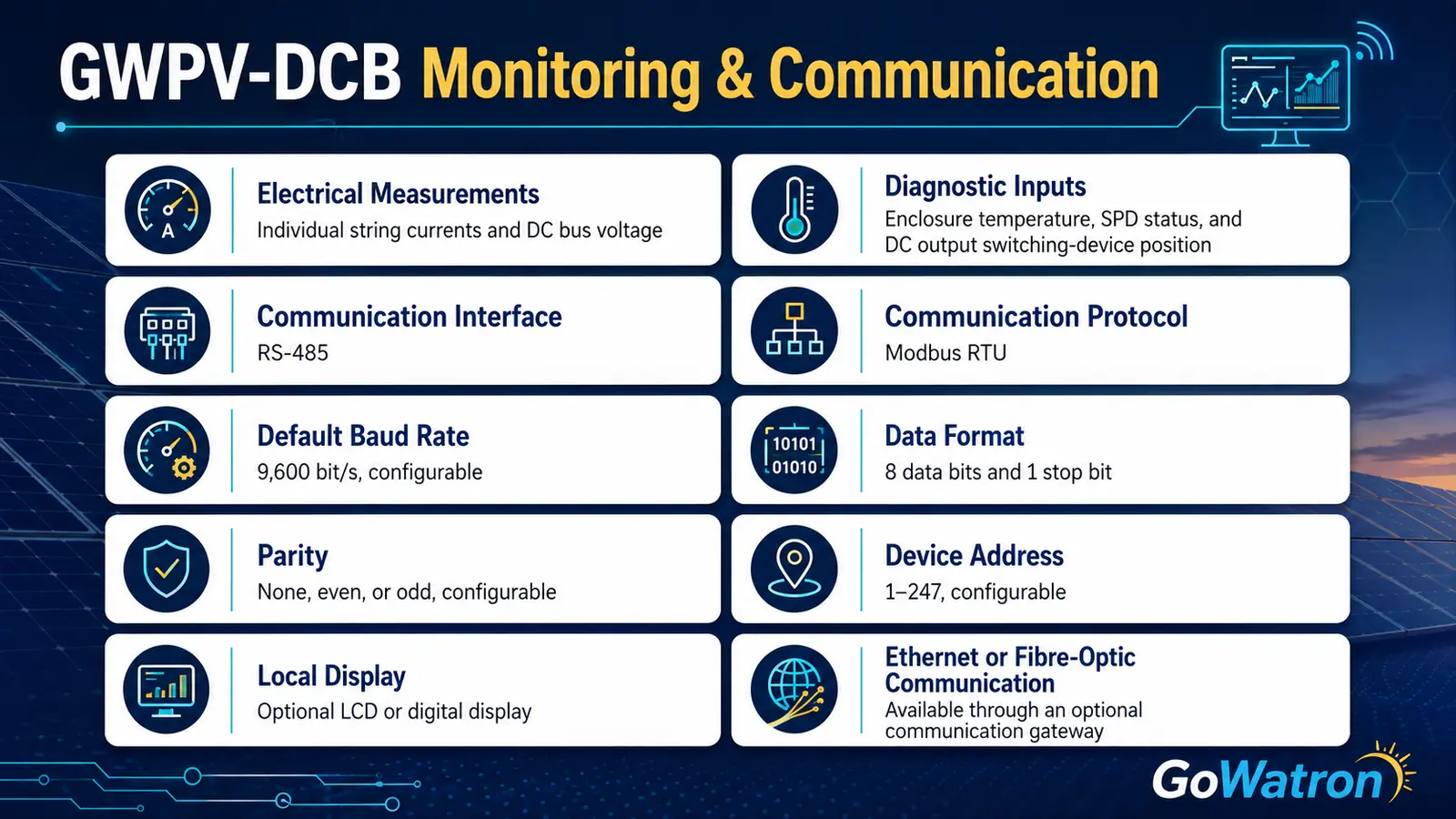
Monitors individual string currents, DC bus voltage, enclosure temperature, SPD operating and fault status, and DC output switching-device position. - Remote communication and alarms
An RS-485 interface with Modbus RTU is provided for integration with PV SCADA systems, data loggers, communication gateways, and remote O&M platforms. - Outdoor enclosure options
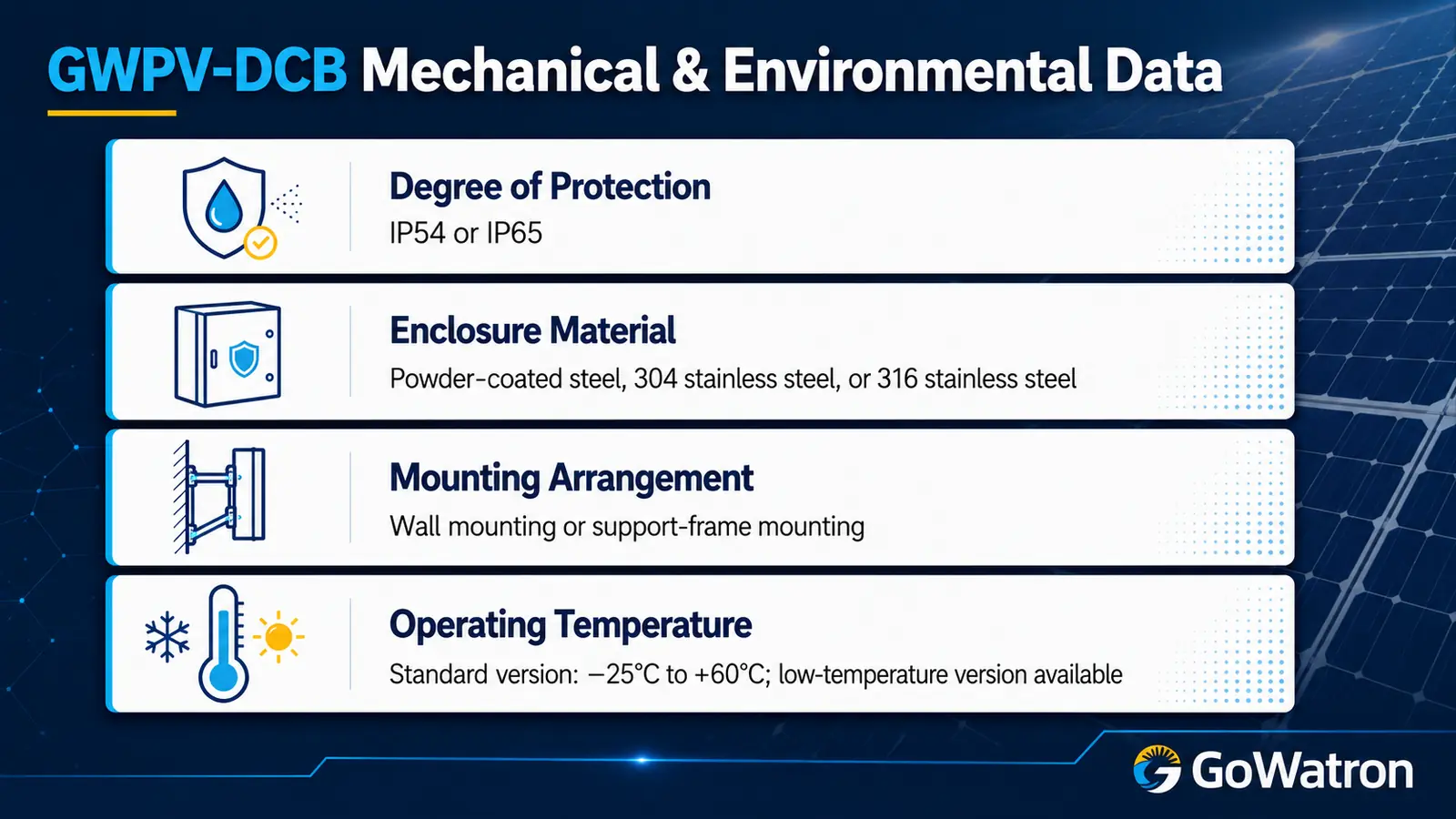
IP54 and IP65 enclosures are available in powder-coated steel, 304 stainless steel, or 316 stainless steel. - Modular internal layout
Clearly separated functional sections and orderly wiring simplify installation, commissioning, inspection, and component replacement.
Model Designation and Selection
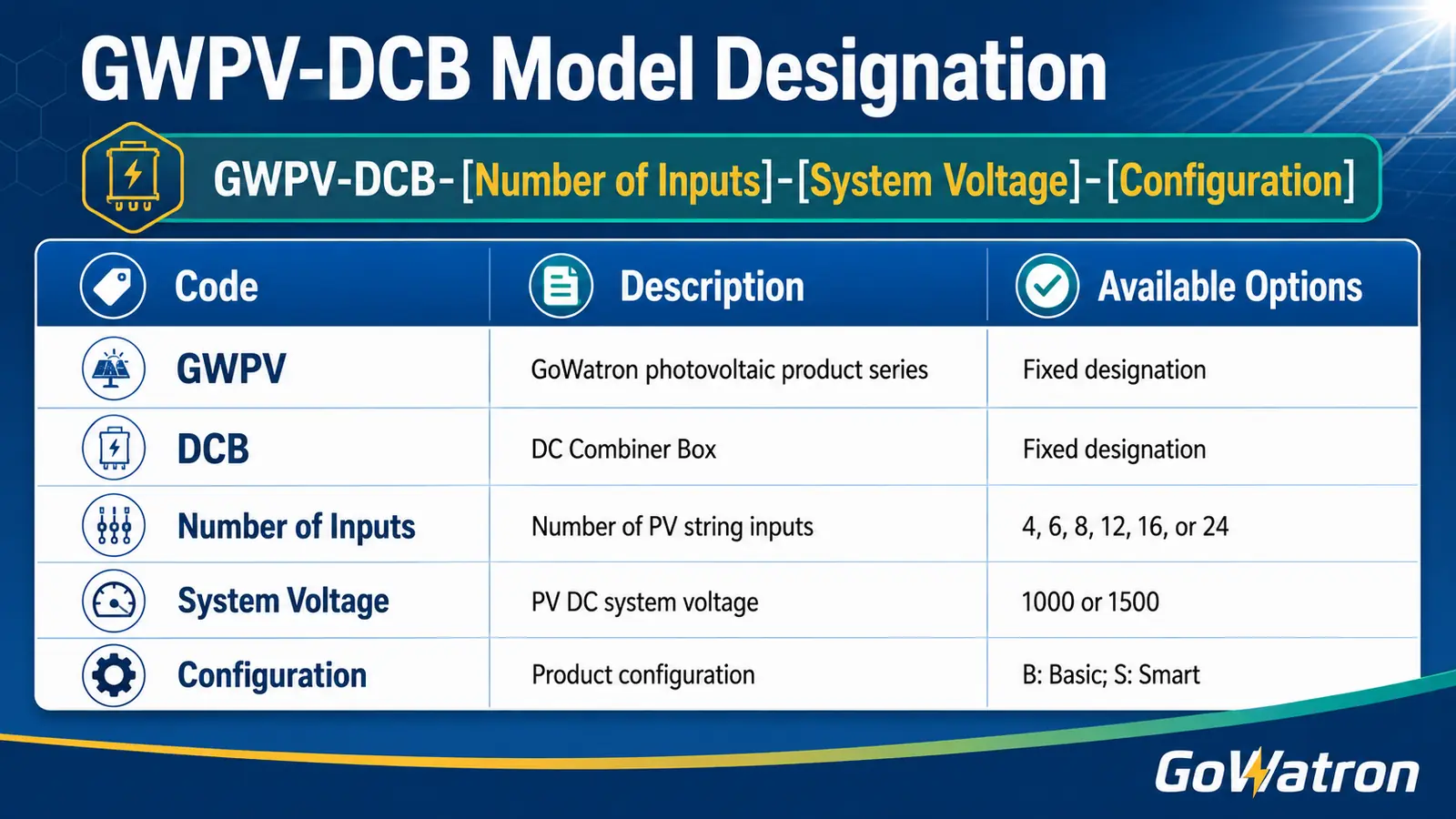
- Model Designation
GWPV-DCB-[Number of Inputs]-[System Voltage]-[Configuration] - Example:GWPV-DCB-16-1500-S
This model denotes a smart PV DC combiner box with 16 string inputs, one standard DC output, and a system voltage of 1,500 V DC.
Standard Models
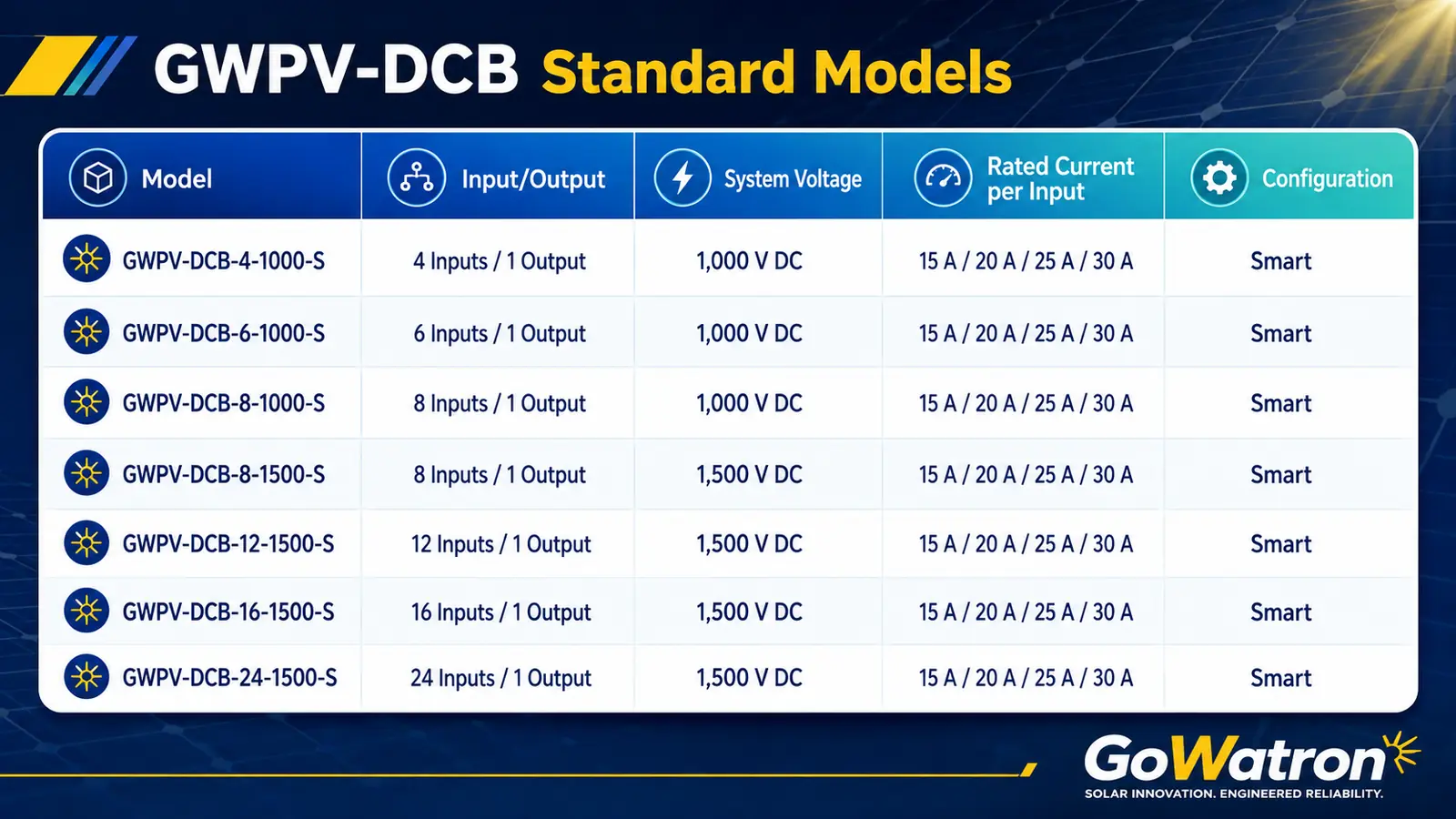
For the basic version, replace the suffix S with B, for example:
GWPV-DCB-16-1500-B
- The table lists standard supply configurations. Other combinations of input quantity, system voltage, rated current, and monitoring functions are available to meet project-specific requirements.
- Model designation update: GWPV-DCB is the current standard designation. The former GWPV-DC/Box designation is retained only for identifying legacy products and documentation.
Indicative Output-Current Selection
- The rated output current shall not be lower than the calculated maximum combined current of all connected strings. Selection shall also take account of the applicable design factor, ambient-temperature derating, internal temperature rise, busbar capacity, conductor ampacity, and DC output switching-device rating.
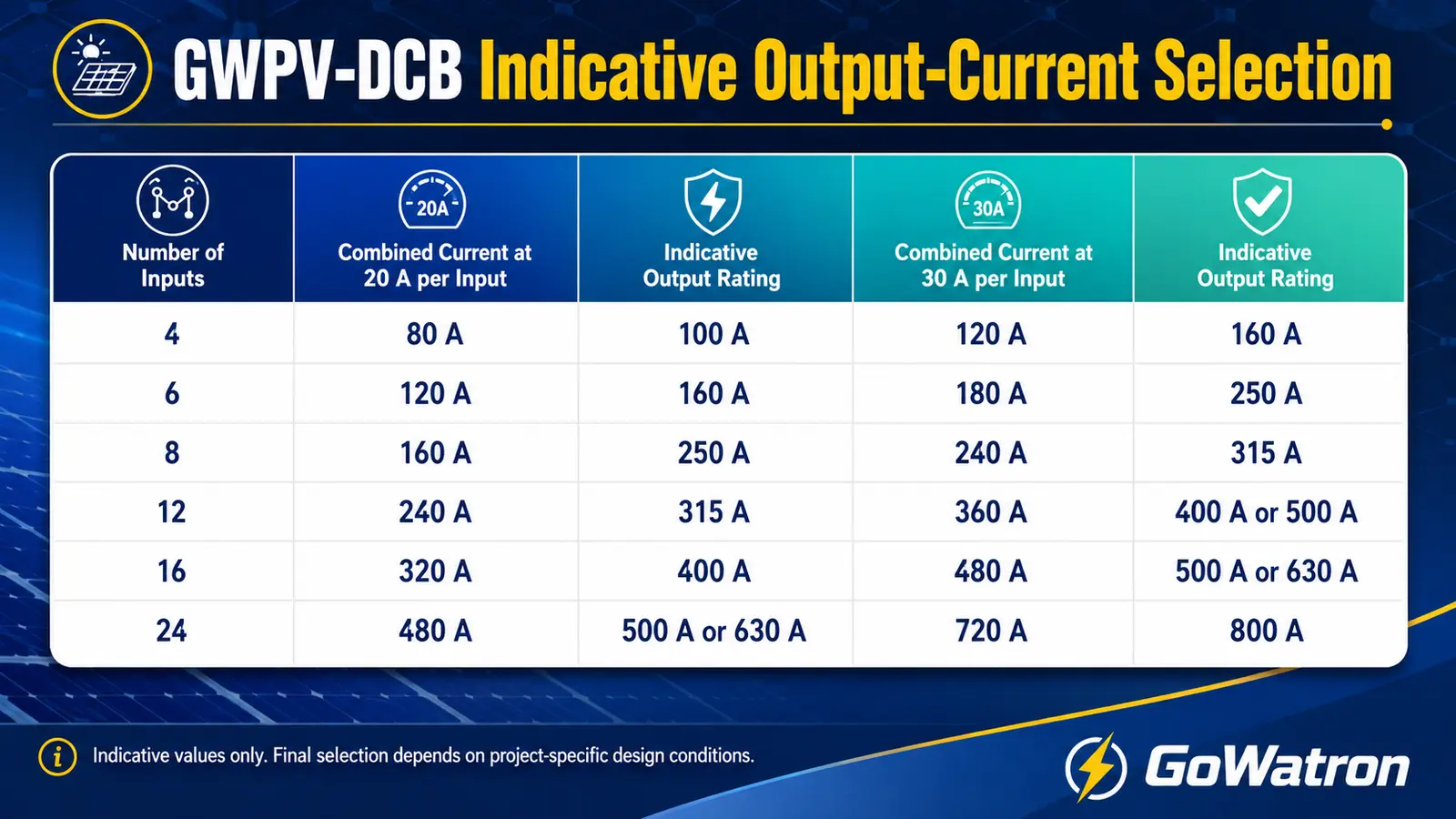
- These values are indicative only. Final selection shall be based on the PV module data, string design, applicable standards, and project-specific operating conditions.
Main Components and Functions
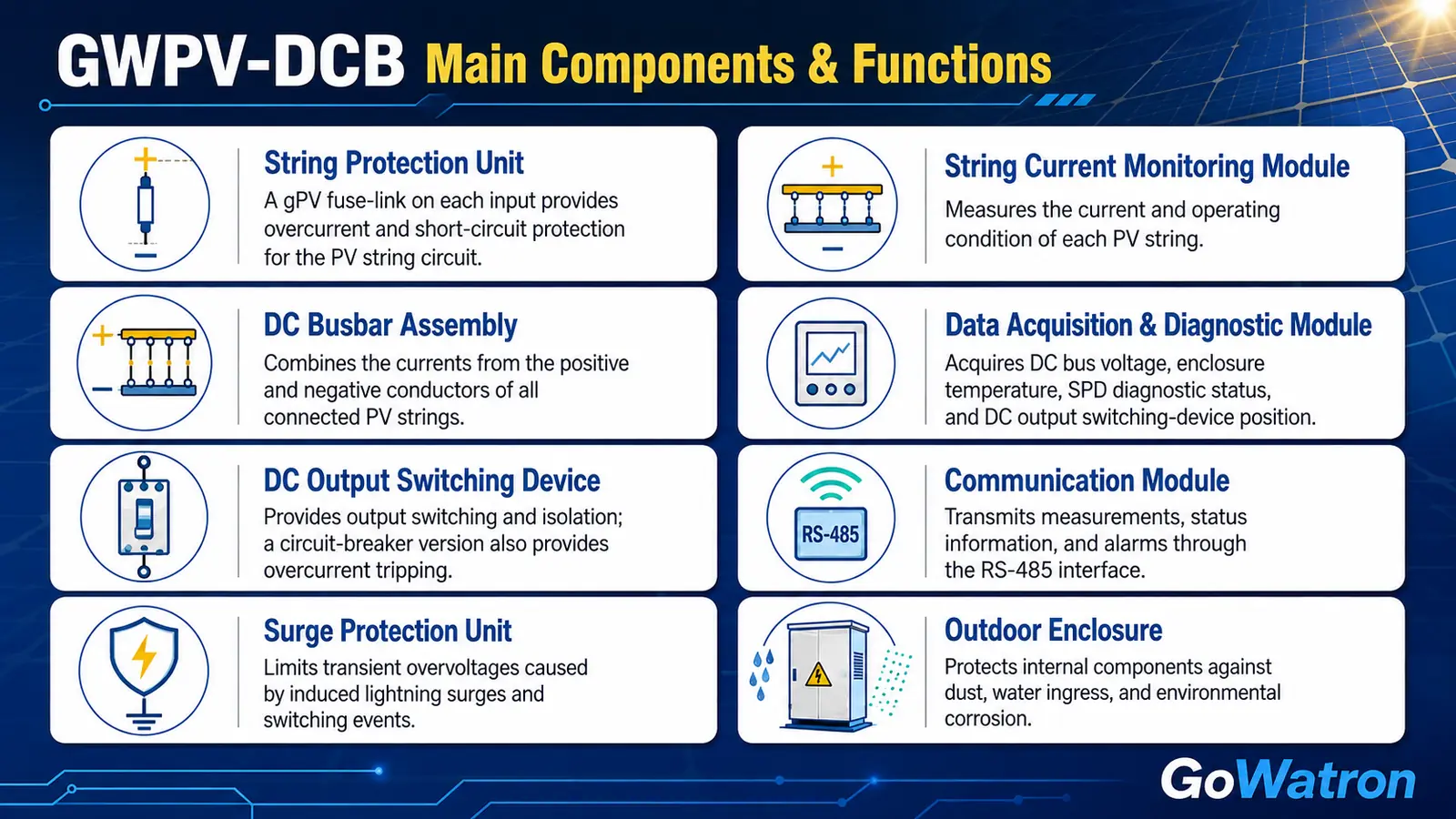
In this document, DC output switching device means either a PV-rated DC circuit-breaker or a PV-rated DC switch-disconnector, as specified in the order.
Monitoring and Alarm Functions
The smart version can provide:
- Individual PV string current monitoring;
- DC bus voltage monitoring;
- Internal enclosure temperature monitoring;
- SPD operating and fault status monitoring;
- DC output switching-device position monitoring;
- String undercurrent alarms;
- String open-circuit alarms;
- String current deviation alarms;
- DC bus overvoltage and undervoltage alarms;
- High enclosure temperature alarms;
- SPD failure alarms;
- Communication failure alarms.
The output power of each string can be calculated from the measured string current and DC bus voltage and transmitted to the PV monitoring or O&M platform.
Technical Specifications
System Ratings
Protection Devices
Monitoring and Communication
Mechanical and Environmental Data
Selection Notes
- The gPV fuse-link rating shall be selected according to the PV module short-circuit current, applicable design factors, and the maximum series fuse rating specified by the module manufacturer. The selected rating shall not exceed the rated current or current-carrying capacity of the associated input-circuit components.
- The SPD maximum continuous operating voltage, Ucpv, shall not be lower than the maximum PV string open-circuit voltage calculated at the minimum design temperature. SPD selection shall also take account of the system earthing arrangement, SPD connection configuration, discharge-current ratings, and required voltage protection level.
Enclosure Protection
- An IP54 enclosure is suitable for indoor locations or sheltered outdoor installations. An IP65 enclosure is suitable for outdoor locations exposed to higher levels of dust and rain.
- The IP rating does not, on its own, guarantee resistance to UV radiation, corrosion, or elevated temperatures. For long-term outdoor installation, an appropriately UV-resistant and corrosion-resistant enclosure should be selected, together with suitable measures for solar shading, heat dissipation, and condensation control.
Standard and Optional Equipment
Standard Equipment
- PV gPV fuse-links;
- Positive and negative DC busbars;
- PV-rated DC output switching device;
- PV DC Type 2 surge protective device;
- String current monitoring module;
- DC bus voltage measurement module;
- Temperature and switching-status inputs;
- RS-485 communication interface;
- Watertight cable glands and protective earthing terminal;
- Outdoor enclosure and mounting accessories.
Optional Equipment
- 304 or 316 stainless-steel enclosure;
- IP65 outdoor enclosure;
- Blocking diodes;
- Local display;
- Anti-condensation heater and humidity controller;
- Smoke detection and door-position monitoring;
- Multiple output circuits;
- Ethernet or fibre-optic communication gateway;
- Designs for high-altitude, salt-mist, low-temperature, or other special environments.
Blocking diodes introduce a forward voltage drop, power losses, and additional heat. They should be selected according to the system topology, parallel-string arrangement, and project requirements and are therefore not included as standard in every configuration.
Applicable Standards
Where applicable, the combiner box is designed and verified as a low-voltage switchgear and controlgear assembly in accordance with the IEC 61439 series.
Depending on the project requirements and selected components, the following standards may apply:
- IEC 61439-1 — Low-voltage switchgear and controlgear assemblies – Part 1: General rules;
- IEC 61439-2 — Low-voltage switchgear and controlgear assemblies – Part 2: Power switchgear and controlgear assemblies;
- IEC 60269-6 — Low-voltage fuses – Part 6: Supplementary requirements for fuse-links for the protection of solar photovoltaic energy systems;
- IEC 61643-31 — Low-voltage surge protective devices – Part 31: Requirements and test methods for SPDs for photovoltaic installations;
- IEC 60529 — Degrees of protection provided by enclosures (IP Code);
- GB/T 34936-2017 — Technical requirements for combiner boxes for photovoltaic power stations.
Compliance with GB/T 34936-2017 is primarily applicable to projects in the Chinese market.
The applicable standards, design-verification requirements, test scope, and certification status shall be defined in the project technical specification and final product documentation.
Applications
The GWPV-DCB Smart PV DC Combiner Box is suitable for:
- Commercial and industrial rooftop PV systems;
- Utility-scale ground-mounted PV power plants;
- Agrivoltaic power plants;
- Aquavoltaic (fishery-integrated) PV projects;
- Floating PV projects;
- Mountain and desert PV installations;
- PV-plus-energy-storage systems;
- Large off-grid PV power systems.


