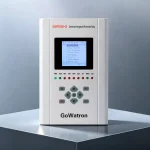
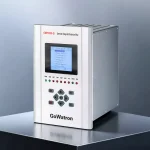
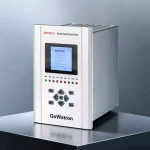
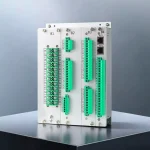
GWPR300‑GI Generator Integrated Protection Relay
Product Desc
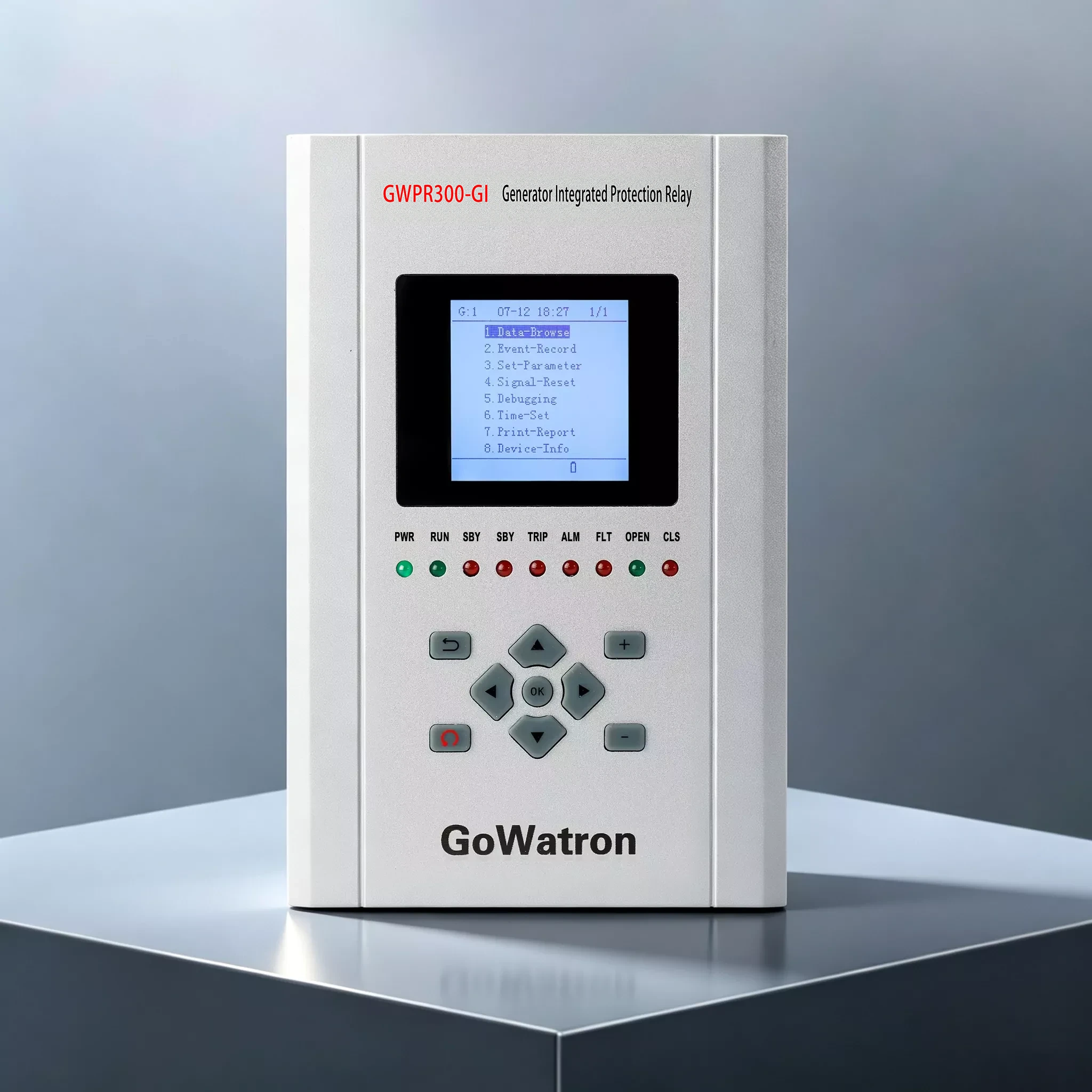
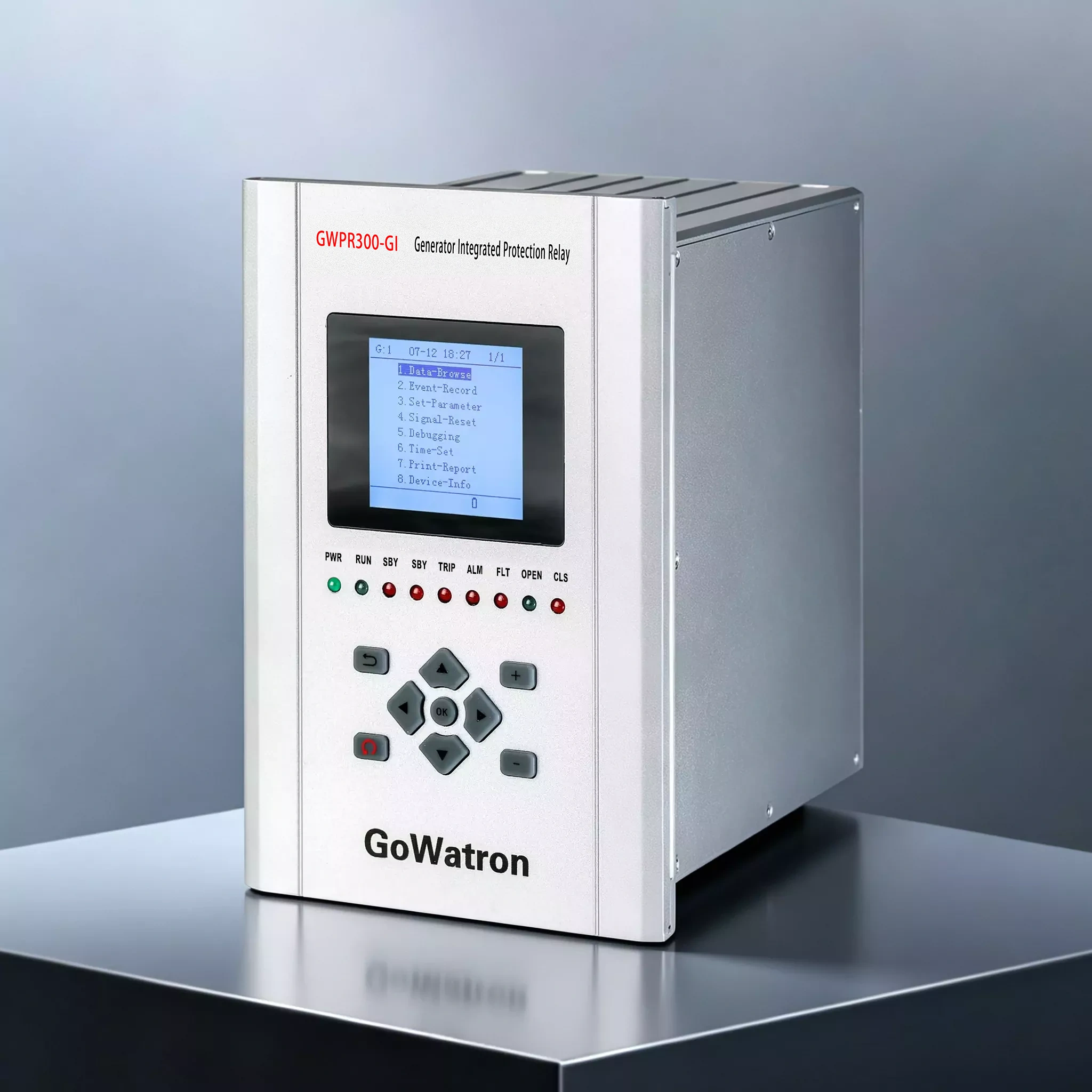
The GWPR300‑GI is a generator integrated protection relay independently developed and manufactured by GoWatron. It provides differential protection and complete backup protection for medium‑and‑small‑size generators.
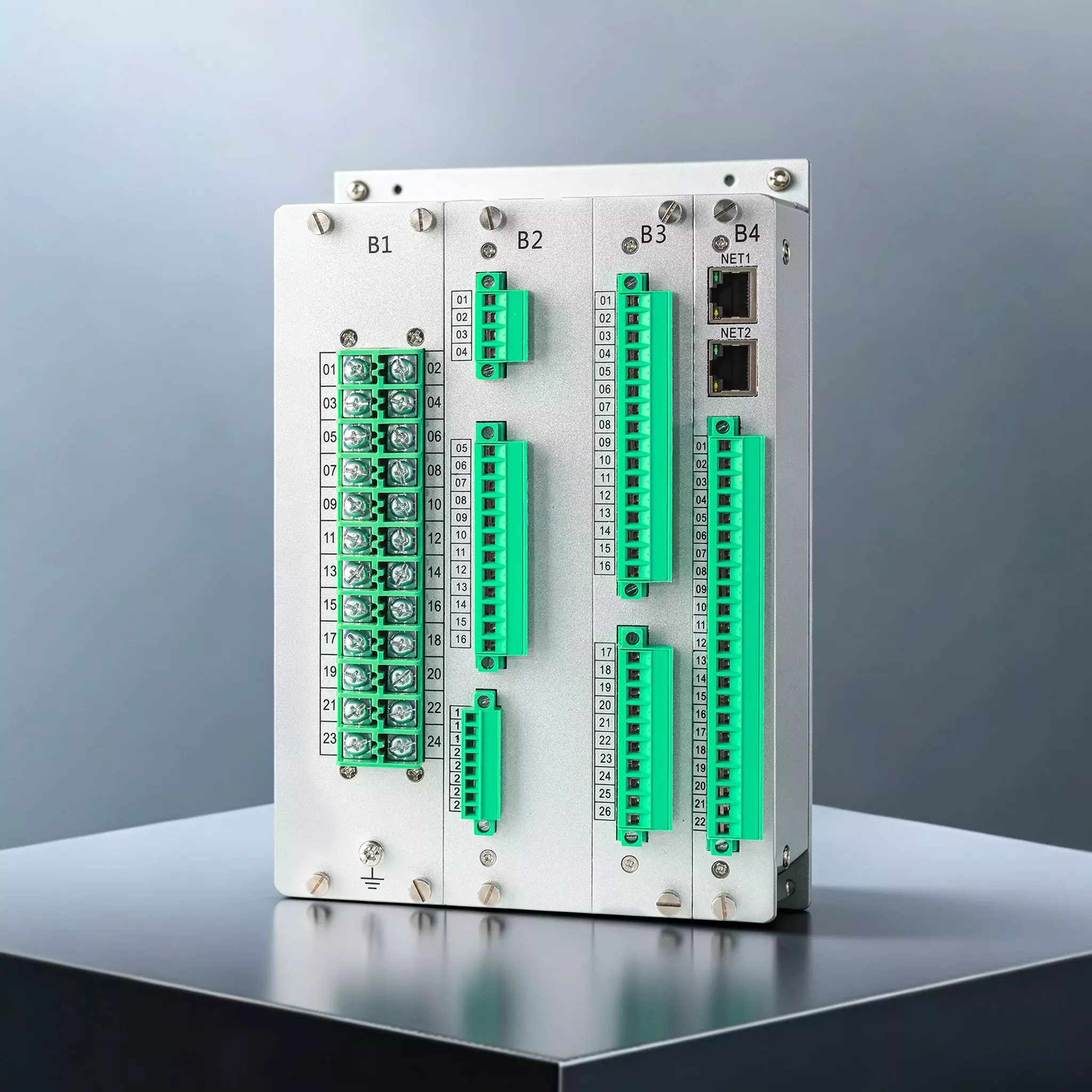
- Ethernet: 2 Ethernet ports supporting IEC 60870‑5‑103 / IEC 60870‑5‑104, with optional IEC 61850
- Serial Port: RS‑485 interface supporting Modbus‑RTU, with optional IEC 60870‑5‑103
- Time Synchronization: IRIG‑B, SNTP, and communication‑based time synchronization
- Print Function: Supports serial dot‑matrix printer for printing setting reports, event logs and fault oscillography records
- Event Upload: Protection events, alarm events, remote signal status changes, operation logs and self‑check events can be uploaded to the SCADA monitoring system




Operate Time
≤35 ms

Differential Fast Trip
≤25 ms

Measurement Accuracy
Voltage/Current: ±0.2%

Communications
Modbus-RTU/ IEC 60870-5-104/103/61850

Technical Support
24/7 Expert Support

Fast Delivery
Global Shipping

Warranty
2 Year Warranty
Product Overview
- GWPR300‑GI Generator Integrated Protection Relay = One GWPR300‑GD Generator Differential Protection Relay + One GWPR300‑GB Generator Backup Protection Relay.
- This relay integrates a full suite of generator protection functions. It is widely applied in medium‑and‑small hydropower stations, waste‑heat power plants, coal‑bed‑gas power plants, diesel generator sets, biogas power plants and gas‑fired power plants.
- It is applicable for hydro‑turbine generators up to 3 MW and steam‑turbine generators up to 10 MW.
- It is an integrated device combining differential protection, backup protection, measurement and control functions. Rich communication interfaces allow interoperation with other protection relays and intelligent devices to construct a complete power‑plant automation system. Flexible installation modes: panel‑mounted in protection cubicles or directly mounted inside high‑voltage switchgear.
Protection Functions
- (ANSI 87G) Differential instantaneous protection (Trip)
- (ANSI 87G) Percentage‑biased differential protection (Trip, 2nd‑harmonic restraint & CT circuit open blocking available)
- (‑) CT circuit open alarm (Alarm, blocks percentage‑biased differential protection)
- (‑) Differential current exceedance alarm (Alarm)
- (ANSI 50) Stage‑I over‑current protection (Trip, composite voltage blocking optional)
- (ANSI 51) Stage‑II over‑current protection (Trip, composite voltage blocking optional)
- (ANSI 51) Stage‑III over‑current protection (Trip, composite voltage blocking optional, over‑current memory function supported)
- (ANSI 51V) Inverse‑time over‑current protection (Trip, normal / very / extremely inverse curves selectable, composite voltage blocking optional)
- (ANSI 49) Overload protection (Alarm / Trip selectable)
- (ANSI 46) Negative‑sequence over‑current Stage‑I protection (Trip)
- (ANSI 46) Negative‑sequence over‑current Stage‑II protection (Alarm / Trip selectable)
- (ANSI 46) Negative‑sequence inverse‑time over‑current protection (Trip, normal / very / extremely inverse curves selectable)
- (ANSI 50G) Zero‑sequence over‑current Stage‑I protection (Trip, zero‑sequence voltage blocking optional, calculated / external zero‑sequence signal selectable)
- (ANSI 51G) Zero‑sequence over‑current Stage‑II protection (Trip, zero‑sequence voltage blocking optional, calculated / external zero‑sequence signal selectable)
- (ANSI 51G) Zero‑sequence over‑current Stage‑III protection (Alarm / Trip selectable, calculated / external zero‑sequence signal selectable)
- (ANSI 40) Loss‑of‑excitation protection (Trip, machine‑terminal impedance criterion, positive‑sequence undervoltage blocking)
- (ANSI 32) Reverse‑power protection (Trip)
- (ANSI 81O) Over‑frequency protection (Trip, undervoltage blocking & df/dt slip‑frequency blocking available)
- (ANSI 81U) Under‑frequency protection (Trip, undervoltage blocking & df/dt slip‑frequency blocking available)
- (ANSI 59) Over‑voltage protection (Trip)
- (ANSI 64G) Stator Ground Fault Protection (Alarm/Tripping selectable)
- (ANSI 27) Under‑voltage protection (Alarm / Trip selectable, VT circuit open blocking available)
- (ANSI 59N) Zero‑sequence over‑voltage protection (Alarm / Trip selectable, calculated / external zero‑sequence voltage signal selectable)
- (ANSI 86) System loss of supply protection (Alarm / Trip selectable)
- (ANSI 60) VT circuit open alarm (Alarm)
- (‑) Trip circuit supervision alarm (Alarm)
- (‑) Non‑electrical protection‑Thermal / hydraulic accident (Alarm / Trip selectable)
- (‑) Non‑electrical protection‑Excitation fault (Alarm / Trip selectable)
- (‑) Non‑electrical protection‑Electrical accident (Alarm / Trip selectable)
(‑) Measurement & Control Functions:
- Acquisition of 3‑phase voltages, 3‑phase currents, zero‑sequence quantities, active power P, reactive power Q, power factor, four‑quadrant energy measurement; 21‑channel binary inputs, 13 independent programmable relay outputs, 1 device power‑loss alarm output; storage for protection events, alarm events, remote signal events, operation records, self‑check events and fault oscillography records
Notes
- CT circuit open alarm, differential current exceedance alarm, system loss of supply, trip circuit supervision alarm and non‑electrical inputs are monitoring / binary‑input logics without standard ANSI device numbers defined in IEEE C37.2‑2008, marked as (‑).
Suffixes 51V, 50G, 51G and 59N are widely‑adopted industry‑extended identifiers and are not basic IEEE C37.2 standard device numbers.
Application Scenarios
- Large‑capacity diesel generator sets: For projects requiring both differential and backup protection, supporting both grid‑connected and islanded operation. Typical applications: internet data centers, cloud‑computing centers, large‑scale commercial complexes, grade‑A hospitals, airport emergency power‑supply units.
- Coal‑bed‑gas generator sets: Protection and control for coal‑mine methane and coal‑bed‑gas power‑generation projects. Typical applications: underground methane‑drainage power stations, coal‑bed‑gas comprehensive‑utilization power stations, mine captive power stations.
Medium‑and‑small steam‑turbine generators: For steam‑turbine generators up to 10 MW used for auxiliary power and captive power plants. Typical applications: industrial captive thermal power plants, steel‑plant waste‑heat steam‑turbine units, chemical‑plant captive generator sets. - Small hydro‑turbine generators: Complete protection relay for hydropower stations up to 3 MW. Typical applications: rural hydropower stations, mountain diversion‑type hydropower stations, village‑level distributed hydropower, private‑owned hydropower renovation projects.
- Distributed captive‑power stations: For factory captive units, waste‑heat power, biogas‑fired generators under grid‑connected or islanded operation. Typical applications: large‑scale livestock‑farm biogas power plants, landfill power plants, sewage‑treatment‑plant biogas power generation, industrial‑park waste‑heat‑utilization power stations.
- Substation automation retrofitting projects: Generator protection relays supporting IEC 60870‑5‑103 / IEC 60870‑5‑104 and Modbus‑RTU, with optional IEC 61850. Typical applications: secondary‑system upgrade of legacy power plants, intelligent reconstruction of old hydropower stations, monitoring‑system renewal for captive power plants.
- On‑site cubicle / panel‑mount installation scenarios: Used within switchgear and protection cubicles. One single relay replaces two separate relays (differential plus backup), saving cabinet space and integrating protection, measurement, remote signalling, remote control and fault oscillography. Typical applications: complete Generator Protection Panel, built‑in protection inside high‑voltage switchgear, local control cabinets for distributed‑energy stations.


