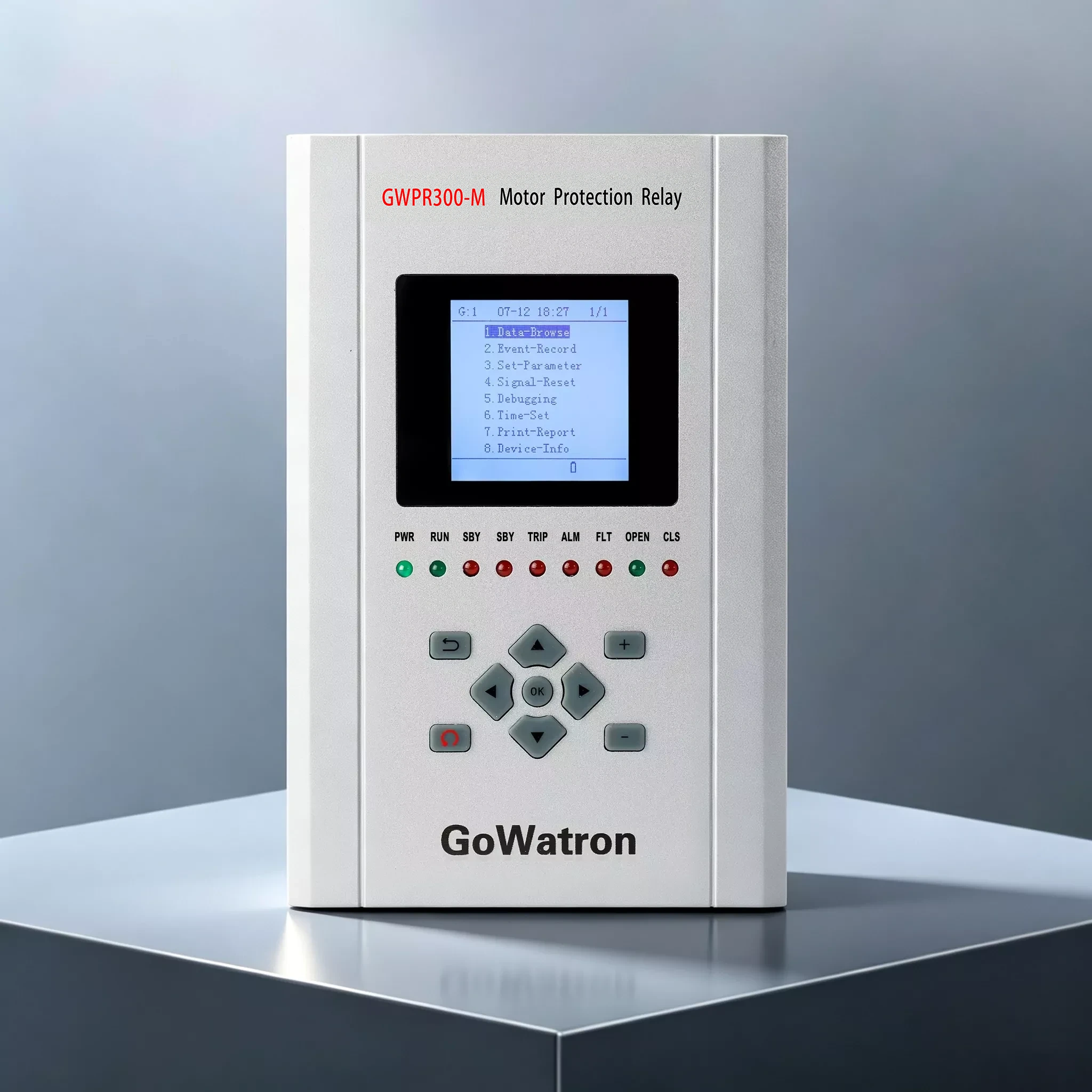
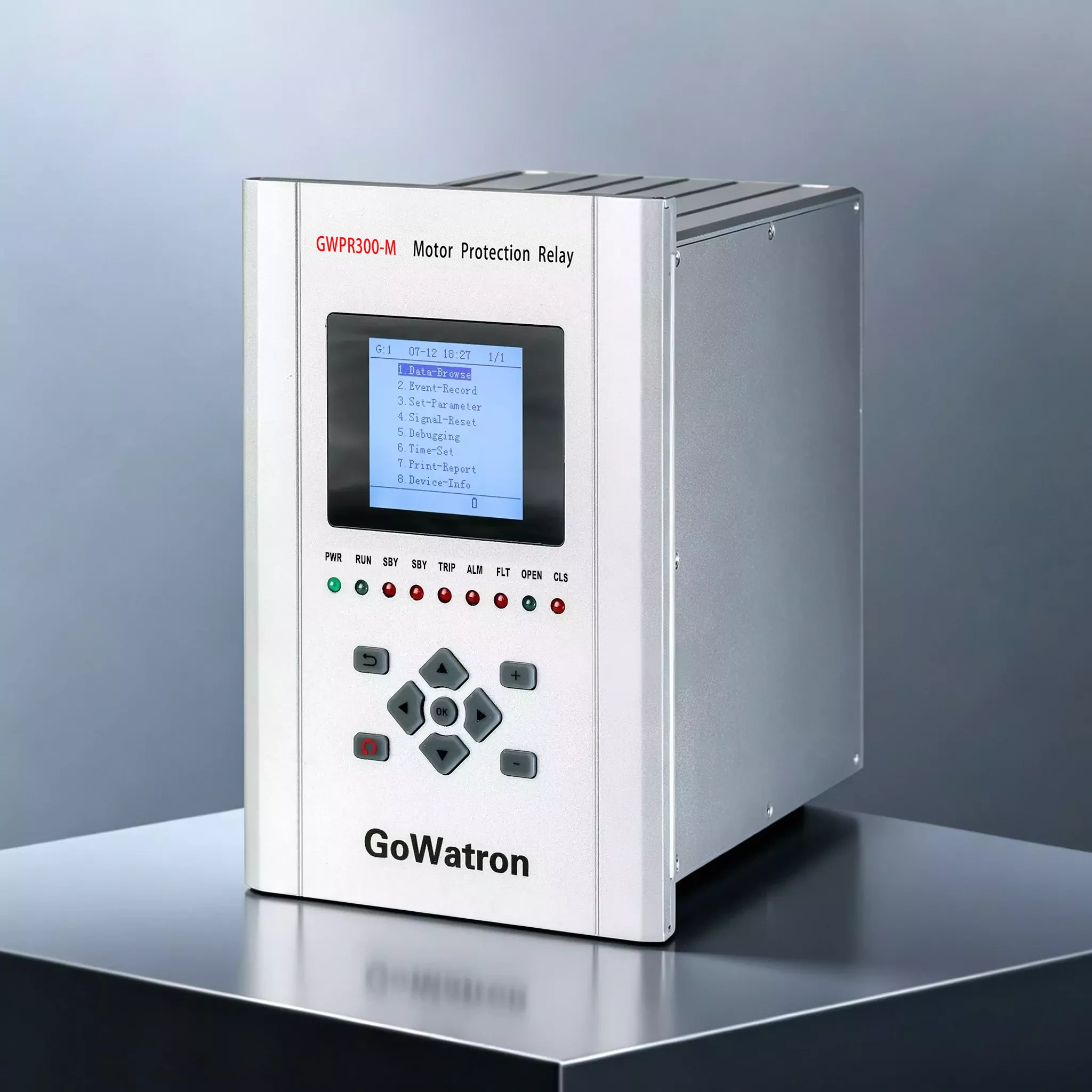
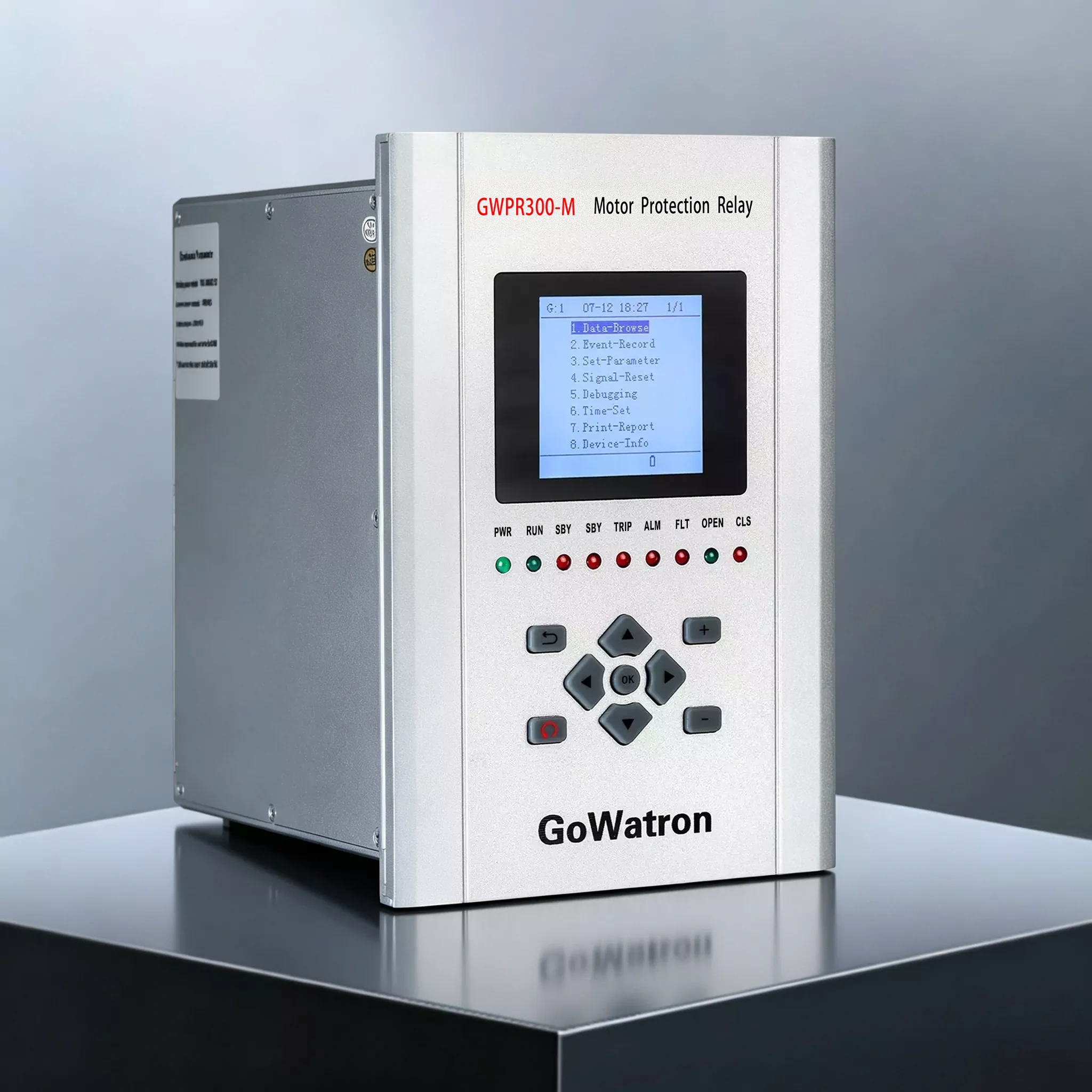
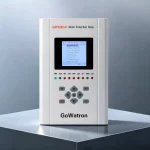
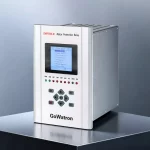
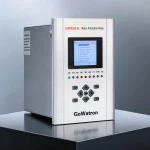
GWPR300-M Motor Protection Relay
The GWPR300-M Motor Protection Relay is primarily used for the protection and control of large asynchronous motors with rated voltage classes of 33kV, 11kV, 6.6kV, and below. It is widely deployed in the power, petrochemical, metallurgical, coal, water conservancy, and mining industries.
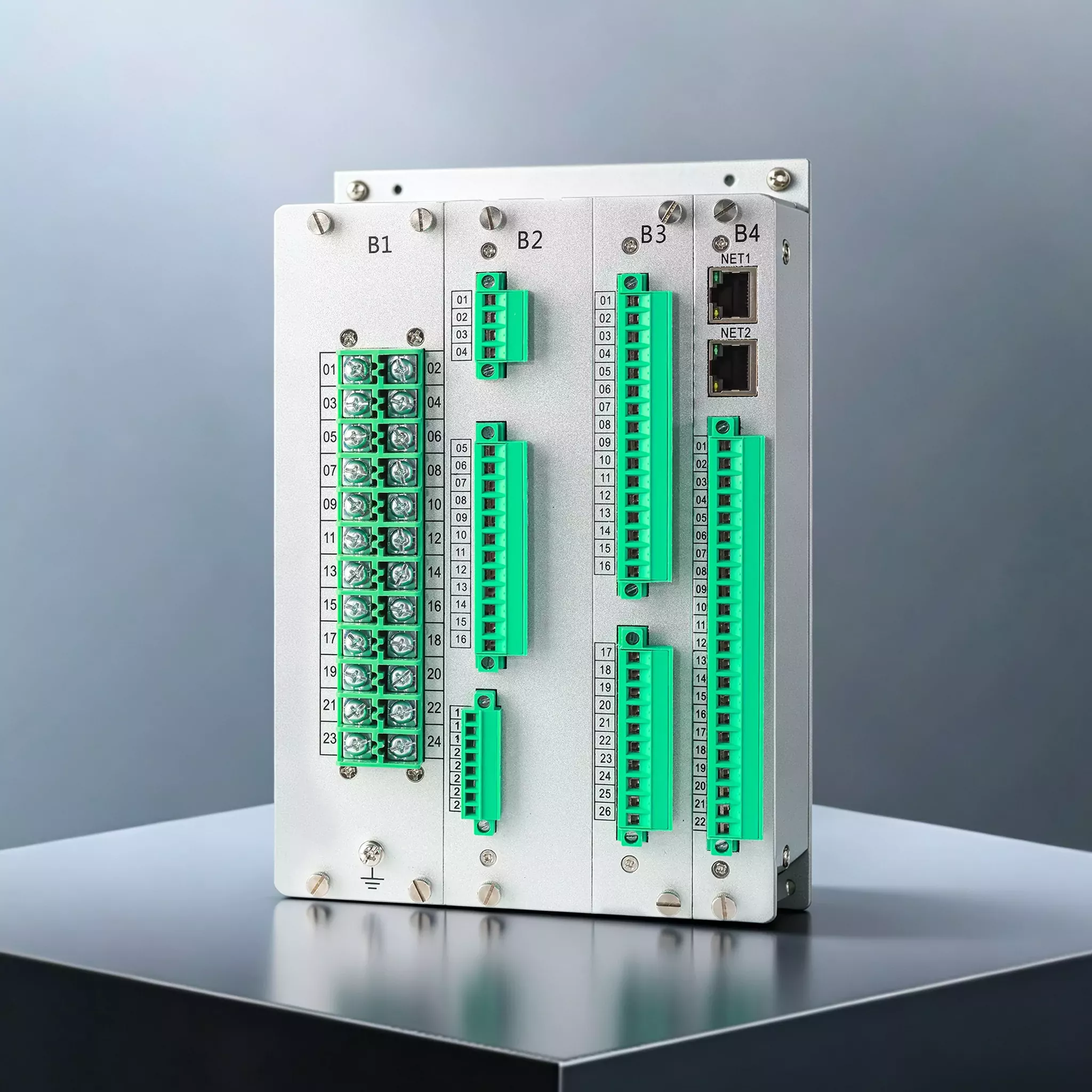
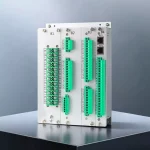
- Interfaces: 2 × Ethernet, 2 × RS485 (the second RS485 port is shared with the time sync port, selectable via configuration).
- Protocols: IEC 103, IEC 104, Modbus RTU; IEC 61850 (optional).
- Time Synchronization: SNTP, IRIG-B, and message-based time sync.
- Printing: Supports serial dot-matrix printers for output of setting parameters, event logs, and fault waveform records.




Product Introduction
- The GWPR300-M Motor Protection Relay is a digital protection relay primarily used for the protection and control of medium and high-voltage motors. It features a 32-bit high-performance microcontroller with embedded DSP and FPU to efficiently handle protection algorithms, trip logic, event recording, fault waveform capture, and SCADA communication functions.
- Its high-performance hardware supports real-time computation of all analog and binary input signals at each sampling interval. Equipped with flexible hardware configuration and an internal high-speed bus, the device offers easy expandability and maintainability.
Protection Functions
- (ANSI 50) Instantaneous Overcurrent Stage I Protection (Trip)
- (ANSI 51) Time-Delayed Overcurrent Stage II Protection (Trip)
- (ANSI 51) Long Time-Delayed Overcurrent Stage III Protection (Trip)
- (ANSI 51) Inverse-Time Overcurrent Protection (Trip, Normal / Heavy / Extreme selectable)
- (ANSI 49) Overload Protection (Alarm / Trip selectable)
- (ANSI 51LR) Locked Rotor Protection (Trip)
- (ANSI 46) Negative-Sequence Overcurrent Stage I Protection (Trip)
- (ANSI 46) Negative-Sequence Overcurrent Stage II Protection (Alarm / Trip selectable)
- (ANSI 46) Negative-Sequence Inverse-Time Overcurrent Protection (Trip, Normal / Heavy / Extreme selectable)
- (ANSI 50N) Instantaneous Zero-Sequence Overcurrent Stage I Protection (Trip)
- (ANSI 51N) Time-Delayed Zero-Sequence Overcurrent Stage II Protection (Trip)
- (ANSI 51N) Long Time-Delayed Zero-Sequence Overcurrent Stage III Protection (Alarm / Trip selectable)
- (ANSI 49T) Thermal Protection (Alarm / Trip selectable)
- (ANSI 48) Excessive Motor Starting Time Protection (Trip)
- (ANSI 66) Motor Start Interval Control (Normally Closed Contact Output)
- (ANSI 27) Undervoltage Lockout for Motor Startup (Normally Closed Contact Output)
- (ANSI 47) Phase Loss & Phase Unbalance Protection (Trip)
- (ANSI 50/51) Fuse-Circuit Breaker (F-C) Overcurrent Lockout (Trip Blocking)
- (ANSI 59) Overvoltage Protection (Trip)
- (ANSI 27) Undervoltage Protection (Alarm / Trip selectable)
- (ANSI 59G) Zero-Sequence Overvoltage Protection (Alarm / Trip selectable)
- (ANSI 81O) Overfrequency Protection (Trip)
- (ANSI 81U) Underfrequency Load Shedding Protection (Trip)
- (ANSI 60) PT Fuse Failure / VT Circuit Failure (Alarm Only)
- (ANSI 74) Control Circuit Breakage (Alarm Only)
- (ANSI 27/86) System Power Loss Protection (Alarm / Trip selectable)
- (ANSI 38) Temperature Rise Protection (Alarm / Trip selectable)
- (ANSI 38) Overtemperature Protection (Alarm / Trip selectable)
- (ANSI 63) Non-Electric Protection 1 (Alarm / Trip selectable)
- (ANSI 63) Non-Electric Protection 2 (Alarm / Trip selectable)
Application Scenarios
As the primary power-driven equipment in the industrial sector, asynchronous motors feature a simple structure and broad applicability. However, they are susceptible to faults such as overload, locked rotor, phase failure, and power grid disturbances during operation. The GWPR300-M Motor Protection Relay is precisely tailored to the operating characteristics of high- and low-voltage asynchronous motors. With a comprehensive suite of protection, monitoring, and control functions, it systematically mitigates motor operation risks across diverse working conditions. The core application scenarios are as follows:
General Continuous Heavy-Load Drive
Suitable for continuous heavy-load equipment including fans, pumps, conveyors, and crushers in industries such as chemical, mining, building materials, and municipal services. In these applications, motors operate under sustained loads and frequent start-stop cycles, making them prone to overheating due to overload and mechanical jamming. Equipped with multi-stage overcurrent protection, inverse-time overcurrent protection, locked rotor protection, and thermal protection, the GWPR300-M effectively prevents winding burnout and production line downtime under heavy-load conditions, ensuring reliable and continuous equipment operation.
High-Incidence Three-Phase Imbalance and Phase Failure
Applicable to industrial and mining sites with aging wiring, complex distribution environments, and unbalanced loads—scenarios where phase failure and three-phase imbalance are common asynchronous motor faults. Leveraging dedicated phase-failure protection, multi-stage negative-sequence overcurrent protection, and negative-sequence inverse-time protection, the device rapidly detects anomalies such as single-phase disconnection and current imbalance. It trips without delay to contain damage, preventing thermal breakdown and winding burnout.
Grid Fluctuations and Unstable Power Supply
Designed for plants where power grids are subject to significant voltage fluctuations and supply instability. Asynchronous motors are sensitive to voltage and frequency disturbances, which can lead to abnormal operation and short-circuit damage. The GWPR300-M integrates overvoltage, undervoltage, overfrequency, underfrequency, zero-sequence, and system power-loss protection. It continuously monitors grid conditions and provides instantaneous alarming and tripping in response to abnormalities, shielding motors from grid-induced damage.
High- and Low-Voltage Integrated Automated Power Distribution
Fully compatible with automated distribution applications involving 380V–10kV high- and low-voltage switchgear, F-C circuits, and intelligent motor control centers (MCCs). To address engineering challenges such as abnormal motor starting, circuit faults, and sampling anomalies, the device offers a suite of integrated functions including start-up timeout protection, start interval control, undervoltage lockout, circuit breakage alarm, and non-electric protection. These capabilities satisfy the requirements of intelligent and standardized industrial power distribution systems.


