Technical Principles
Electrical Encyclopedia
Industry Solutions
Technical Knowledge Sharing
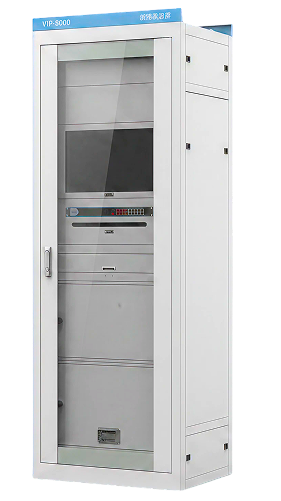
Switchgear Wireless Temperature Monitoring System: Composition, Configuration and Functions
System Model: GWWT-MS The GWWT-MS Wireless Temperature Monitoring System is a professional online temperature monitoring solution designed for 0.4 kV to 230 kV switchgear and GIS equipment. It adopts LoRa, 433 MHz or 2.4 GHz wireless communication technologies to replace conventional secondary hardwiring. Traditional wired installation in high-voltage live areas suffers from insulation risks, complicated […]
2026-08-09
Read more →
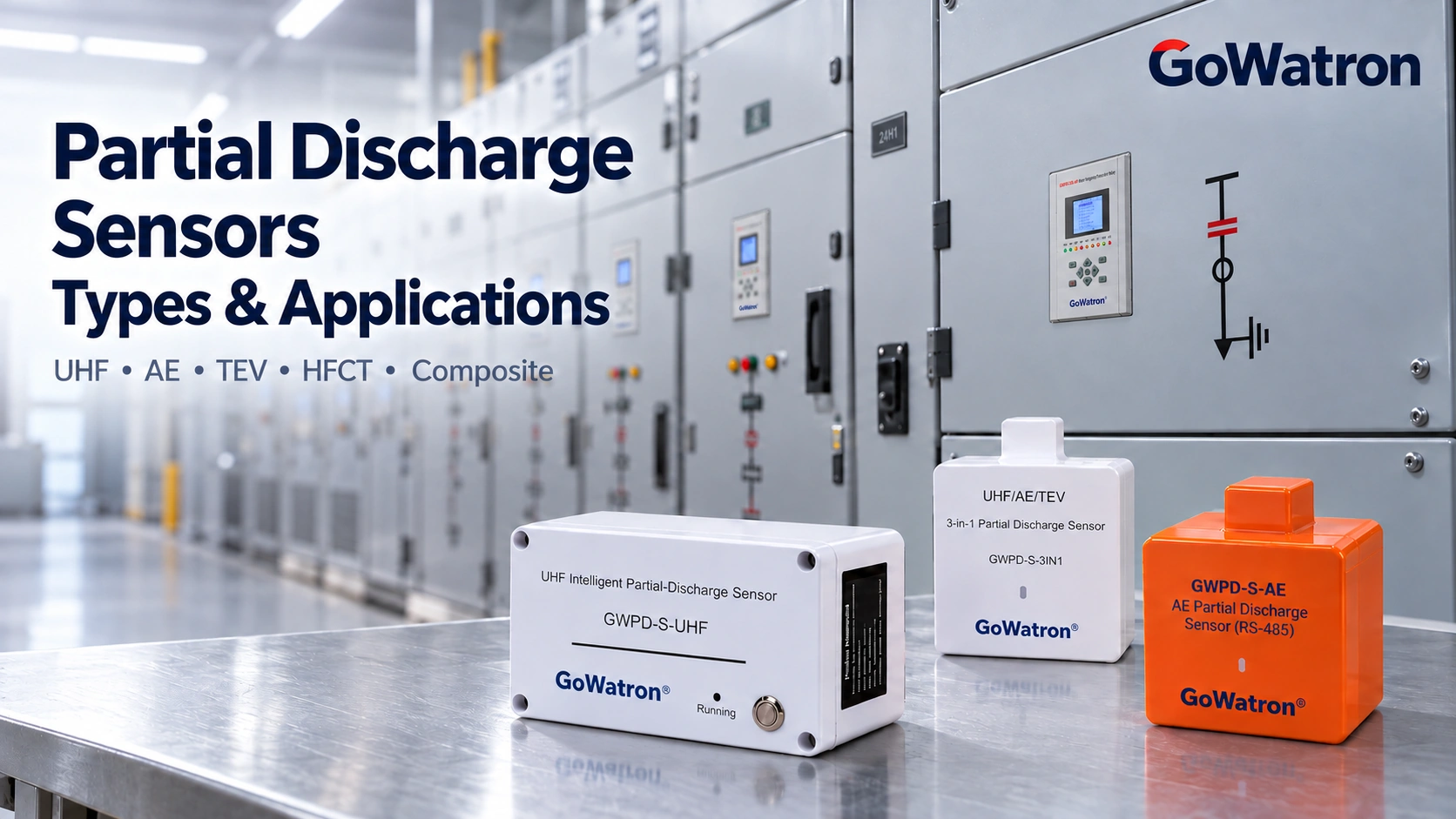
Classification and Function Introduction of Partial Discharge Sensors
For partial discharge (PD) monitoring of high-voltage electrical equipment such as switchgear, ring main units (RMUs), and transformers, mainstream sensors are categorized into four types based on their detection principles: Ultra-High Frequency (UHF), Acoustic Emission (AE), Transient Earth Voltage (TEV), and High-Frequency Current Transformer (HFCT). These four technologies form the core of the GWPD product […]
2026-08-07
Read more →
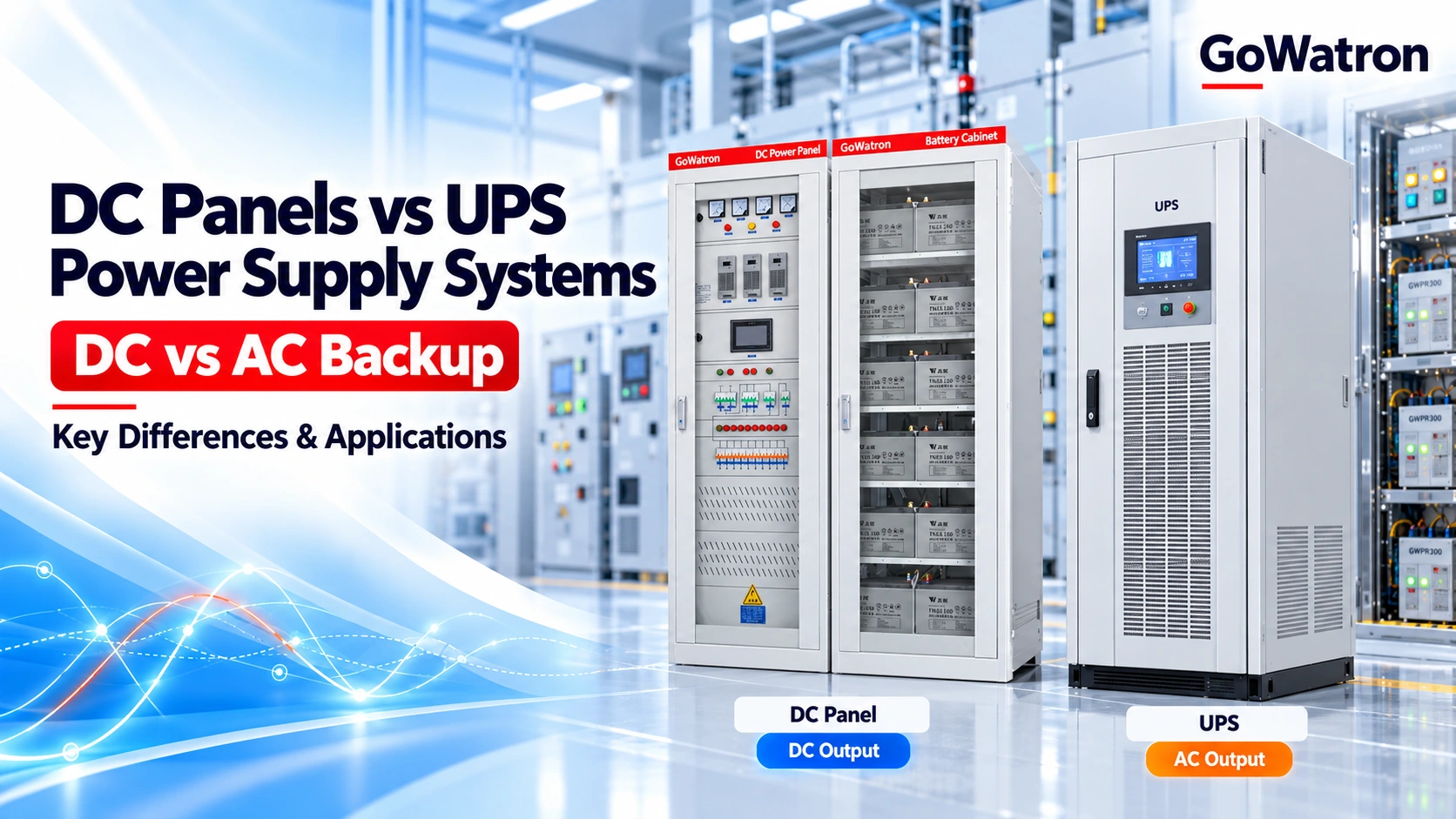
DC Panels vs UPS – What’s the Difference and Which One Do You Need?
Confused between DC panels and UPS for your power system? GoWatron explains the 7 critical technical differences, from impulse load capability to insulation monitoring. Learn which solution fits substations or data centers and avoid costly misapplications.
2026-08-07
Read more →
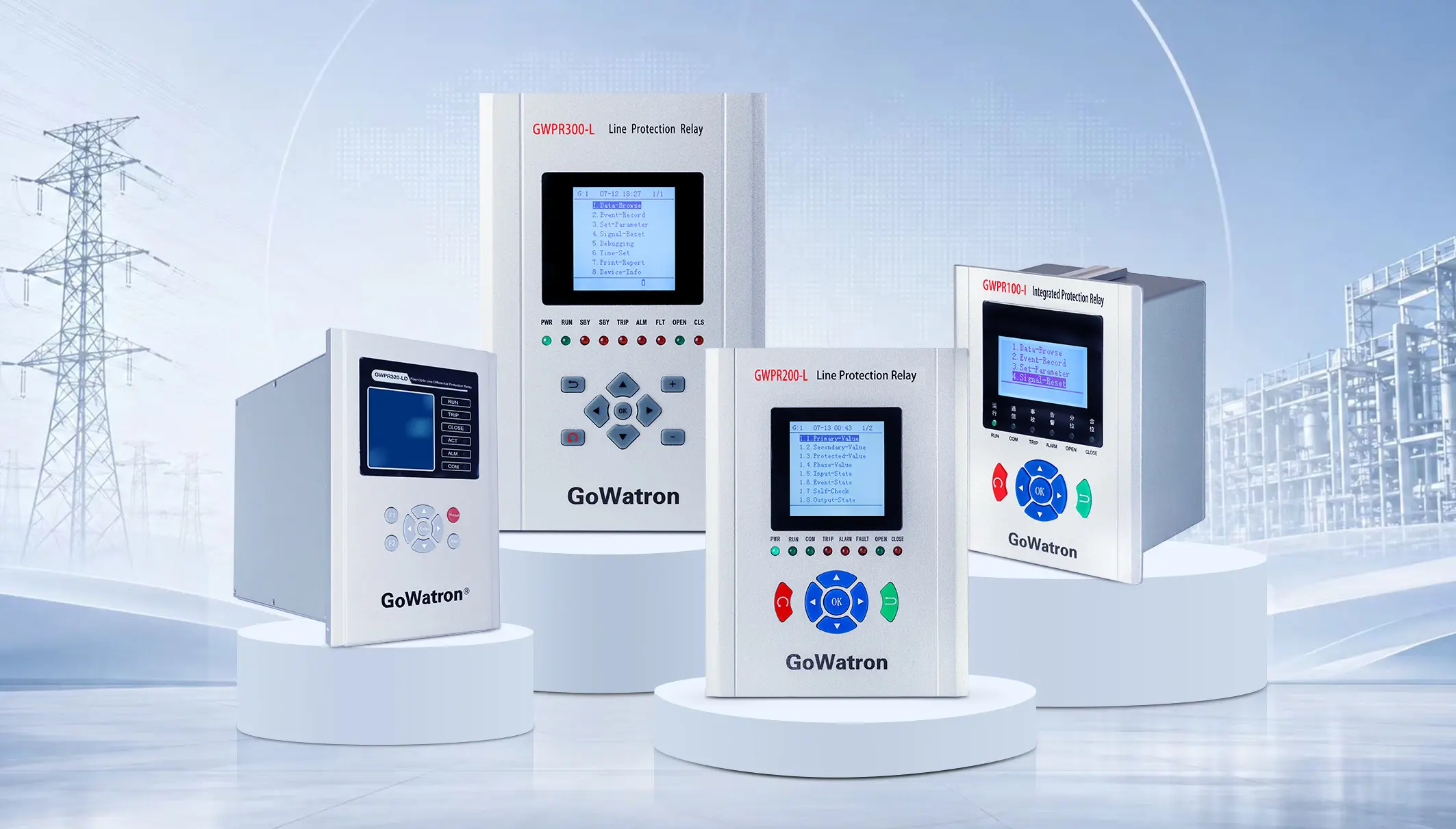
What Protection Functions Should an 11kV Line Protection Relay Be Equipped With?
Applicable to: 11kV outgoing feeder circuits in industrial, mining and new‑energy power plants (including photovoltaic stations). Classification: Mandatory standard features vs. project‑selectable optional functions, covering protection, measurement & control, alarming and communication. Purpose: This document outlines the protection functions that should be considered for 11kV outgoing feeder circuits in industrial, mining and new‑energy applications. Functions […]
2026-08-04
Read more →
DC Power Supply System Panel Capacity Selection Guide for Substations
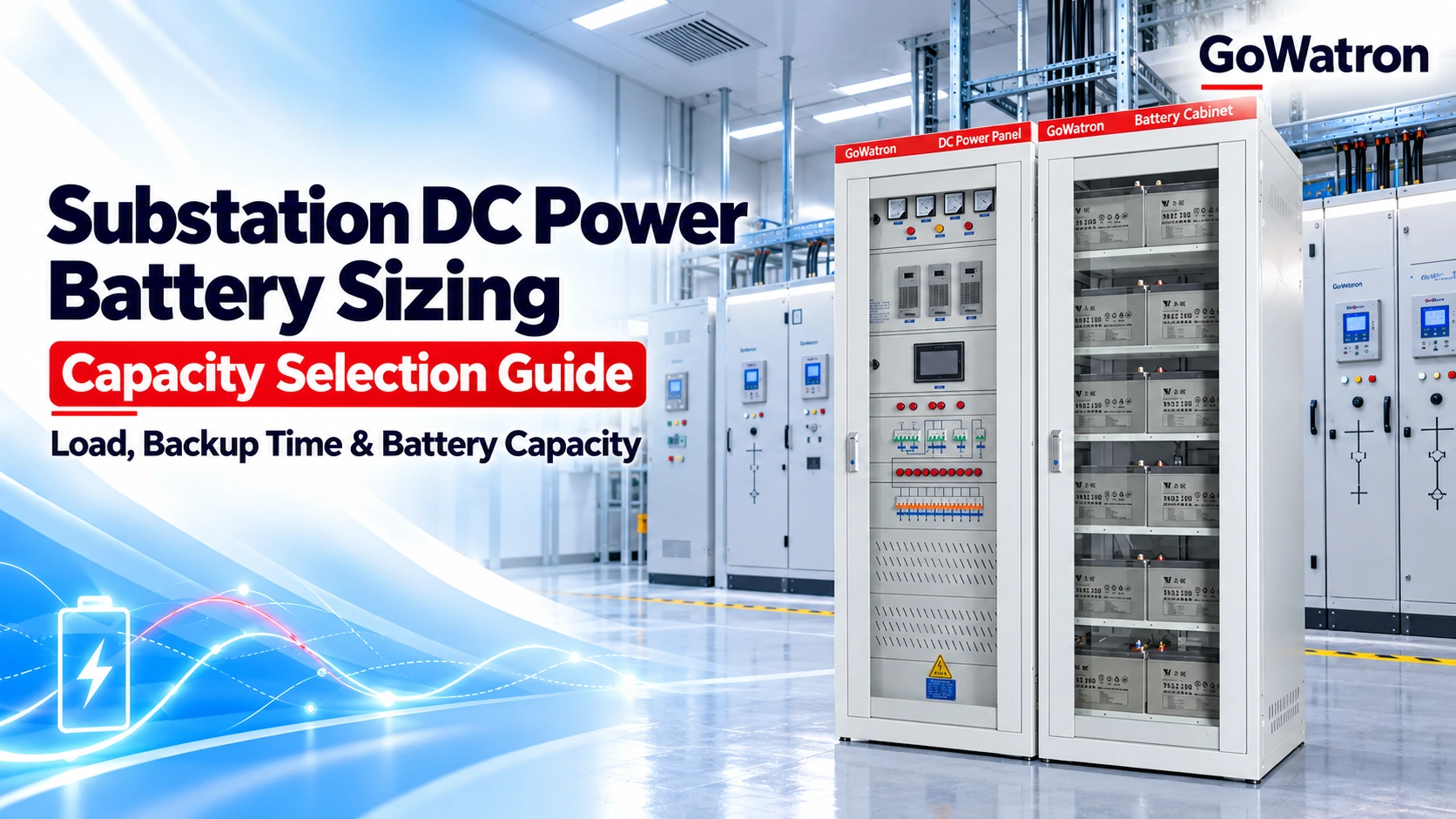
Core Selection Logic The DC power supply system panel provides an uninterruptible DC control power supply for protection, control, communication, and circuit-breaker closing circuits within the substation. Battery capacity selection must simultaneously satisfy two operating condition verifications, with the maximum value adopted as the final selection to ensure system safety and stability under contingency conditions: […]
2026-07-25
Read more →
AGC vs. AVC System: What is the Difference in Power Grids?
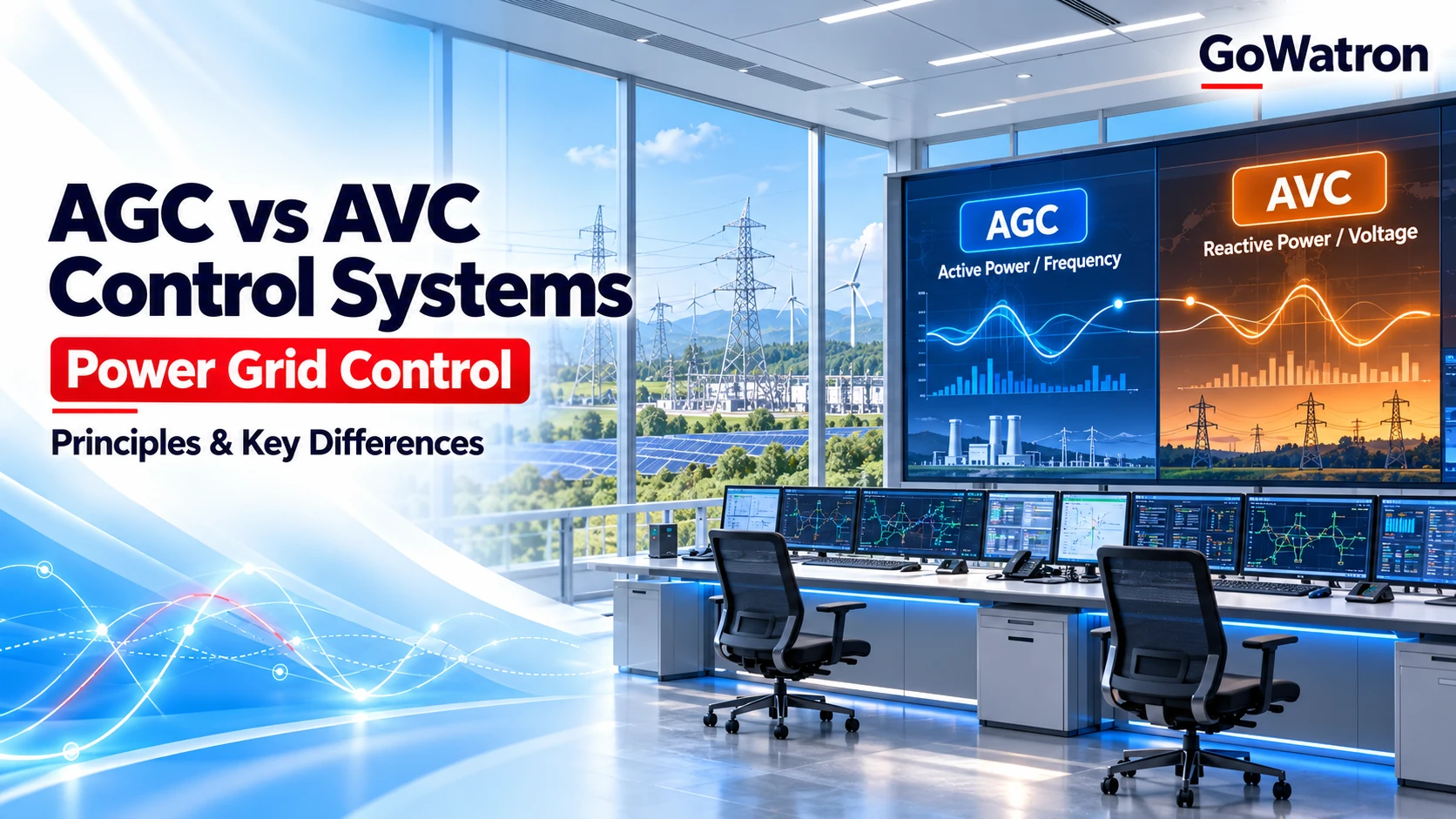
AGC regulates active power to stabilize grid frequency; AVC regulates reactive power to stabilize nodal voltage. The two systems control two independent electrical quantities of the power grid and coordinate to guarantee safe and high-quality grid operation.
2026-07-18
Read more →
Current Instantaneous Trip Protection – Principle, Function, and Setting Calculation
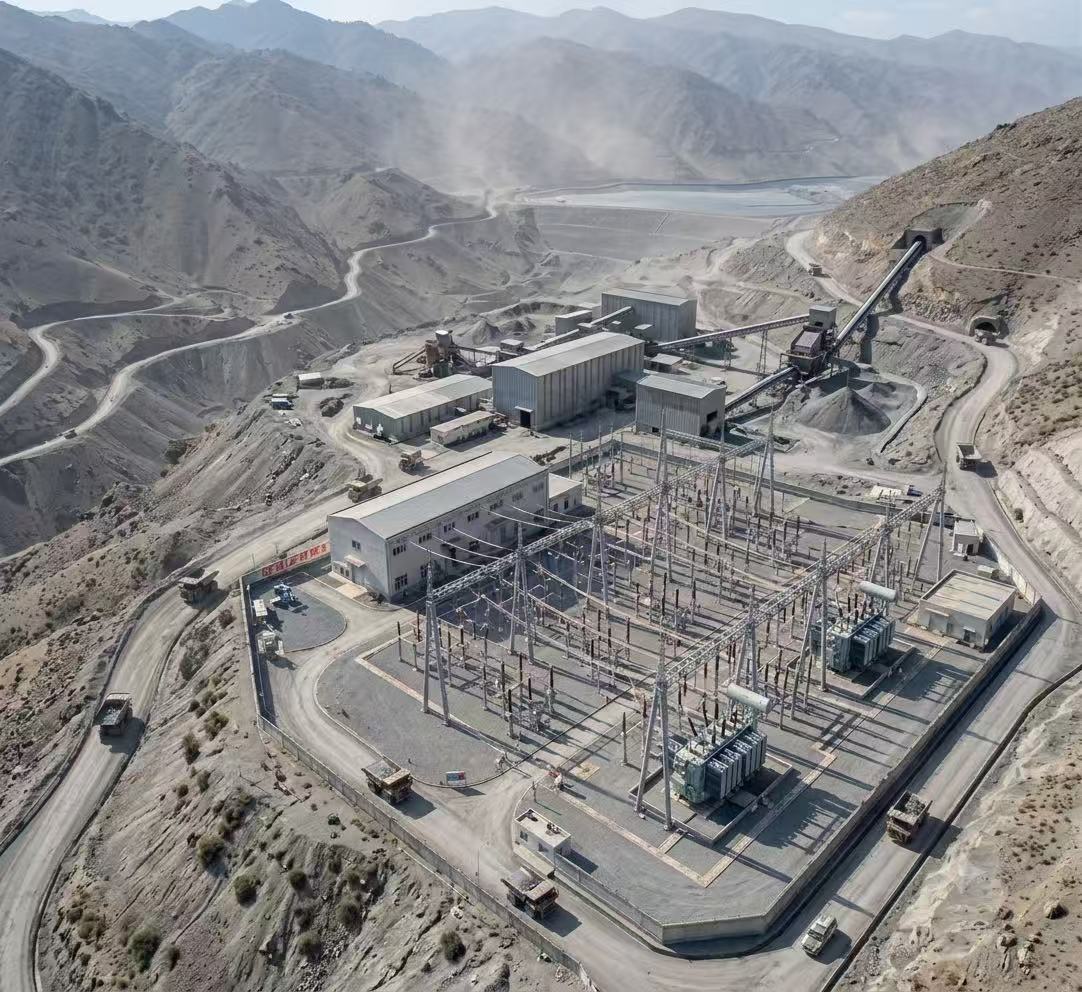
Current instantaneous trip protection (also referred to as instantaneous overcurrent protection, ANSI/IEC code 50) is the primary protection for transmission lines and transformers. Its core advantage is 0-second instantaneous tripping without intentional time delay.
2026-07-16
Read more →


