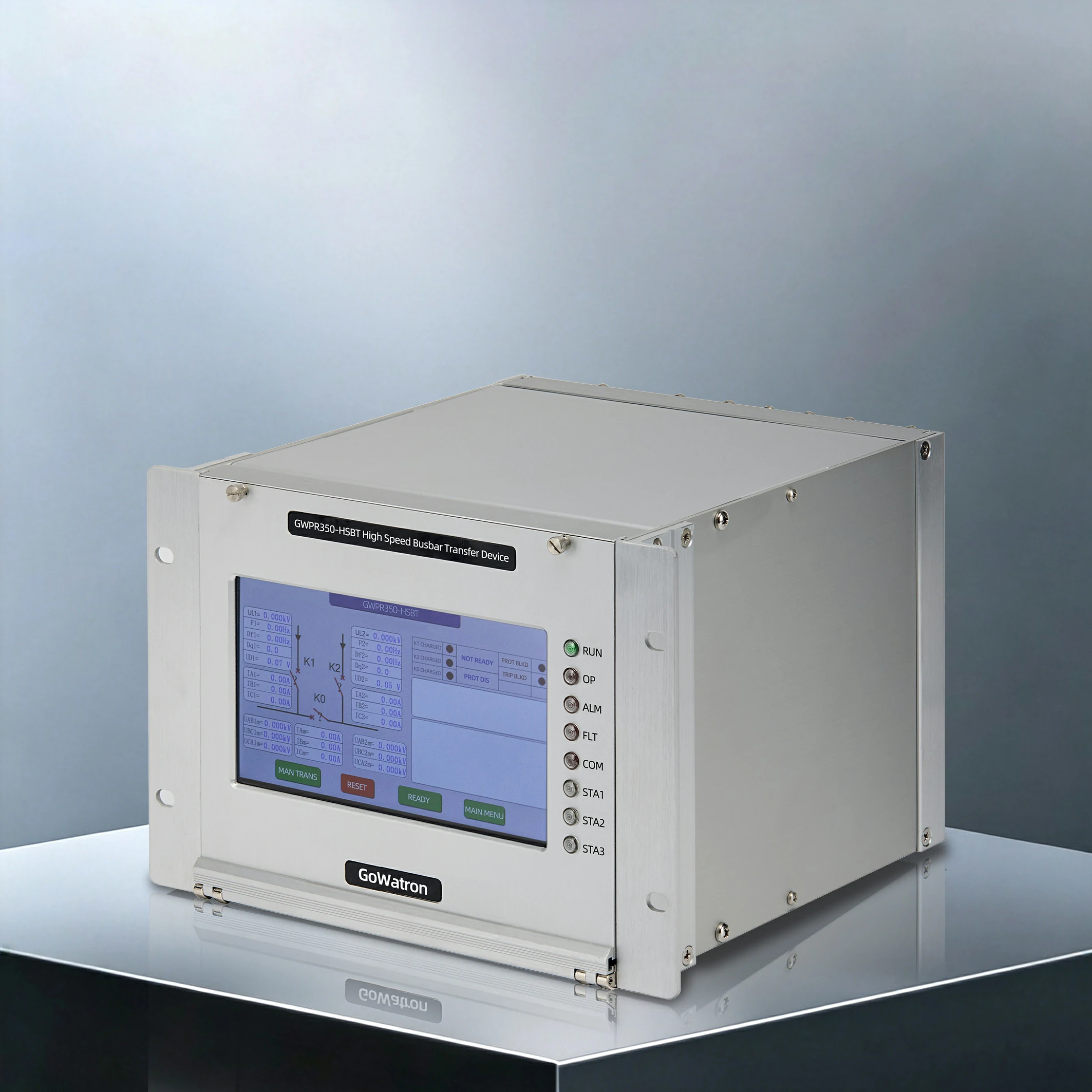
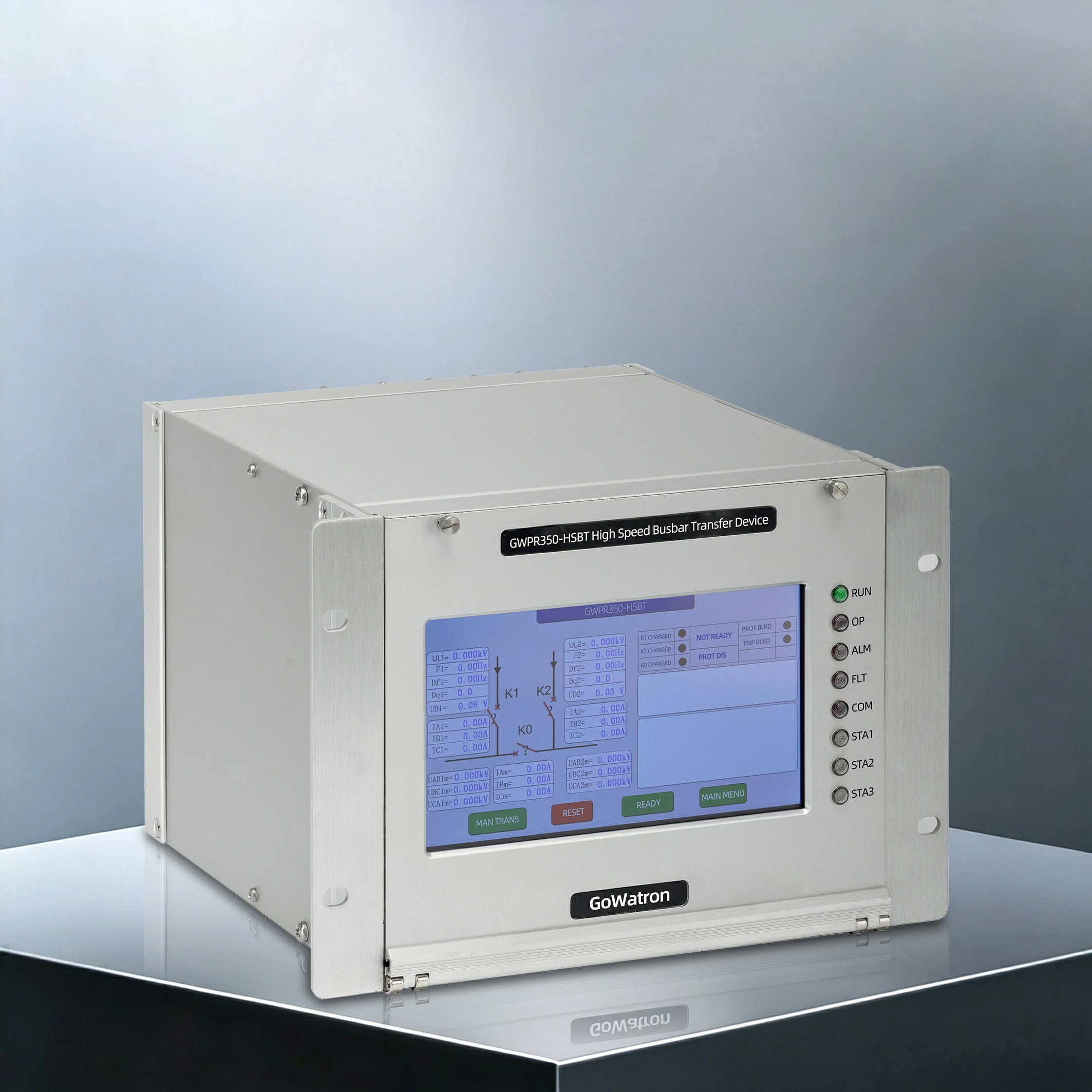
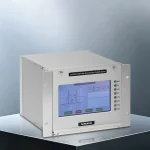
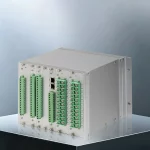
GWPR350-HSBT High-Speed Busbar Transfer Device
Product Desc
- The GWPR350‑HSBT High‑Speed Busbar Transfer Device is compatible with 3‑132 kV medium‑ and high‑voltage dual‑power systems; standard 100 V PT secondary input, 5 A / 1 A CT secondary input; supports DC110 V / DC220 V operating power supply.
- Primary single‑line configuration: Suitable for single‑busbar and single‑busbar‑sectionalised topologies. Fully supports mutual transfer between incoming feeders and bidirectional transfer logic between incoming feeder and bus‑section breaker.
- Applicable loads: Developed for continuous‑process busbars with large‑capacity asynchronous motors. GWPR350‑HSBT replaces conventional time‑delayed automatic bus transfer equipment and mitigates motor shutdown and process interruption caused by grid voltage sags.
- Environmental & communication specifications: Operating temperature: -25 ℃ ~ 60 ℃. Standard interfaces include RS485 and Ethernet. Supported protocols: IEC 60870‑5‑103, Modbus; IEC 61850 digital protocol is optional. It supports IRIG‑B code and pulse‑per‑second hardware time‑synchronisation, with station‑wide synchronisation error ≤ 1 ms.




Accuracy
≤ 0.2%

Quick Response
≤ 100ms

Reliable Protection
Comprehensive Protection

Quality Assurance
ISO 9001 Certified

Technical Support
24/7 Expert Support

Fast Delivery
Global Shipping

Warranty
2-Year Warranty
Main Functions
- Multi‑source initiation: Seven independently configurable (enable/disable) trigger criteria built into GWPR350‑HSBT: protection‑initiated trip, accidental breaker tripping, dual‑criterion undervoltage, incoming‑feeder no‑current condition, reverse‑power condition, frequency‑voltage limit violation, and manual maintenance switchover. The transfer sequence is initiated at millisecond speed upon fault detection.
- Breaker sequence modes: Sequential transfer, simultaneous transfer and parallel transfer are available on GWPR350‑HSBT. Built‑in decoupling logic prevents long‑term parallel operation of two power sources and associated circulating currents.
- Four‑level adaptive closing criteria: Automatic downgrade logic follows the sequence: fast transfer → in‑phase capture → residual‑voltage transfer → long‑time‑delay backup transfer. GWPR350‑HSBT automatically selects the optimal closing window to suppress motor inrush current upon closing.
- Integrated safety and maintenance features: Multi‑lockout functions including PT disconnection supervision, directional overcurrent protection and hardware fault detection. GWPR350‑HSBT complies with COMTRADE 99 fault recording standard. Event records are permanently stored upon power‑off. Local LCD HMI with multi‑language support; all alarms are remotely transmitted to the supervisory host.
Product Introduction
- GWPR350‑HSBT High‑Speed Busbar Transfer Device adopts a tri‑core heterogeneous hardware platform consisting of DSP + ARM + CPLD. It is specially designed for large‑capacity motor loads in power plants, metallurgical plants and petrochemical facilities. It addresses industry pain points of conventional automatic bus transfer devices, such as 1‑2 s operating latency, motor loss‑of‑excitation tripping and excessive closing inrush, and achieves disturbance‑free power transfer for busbar loads.
1. Hardware Advantages
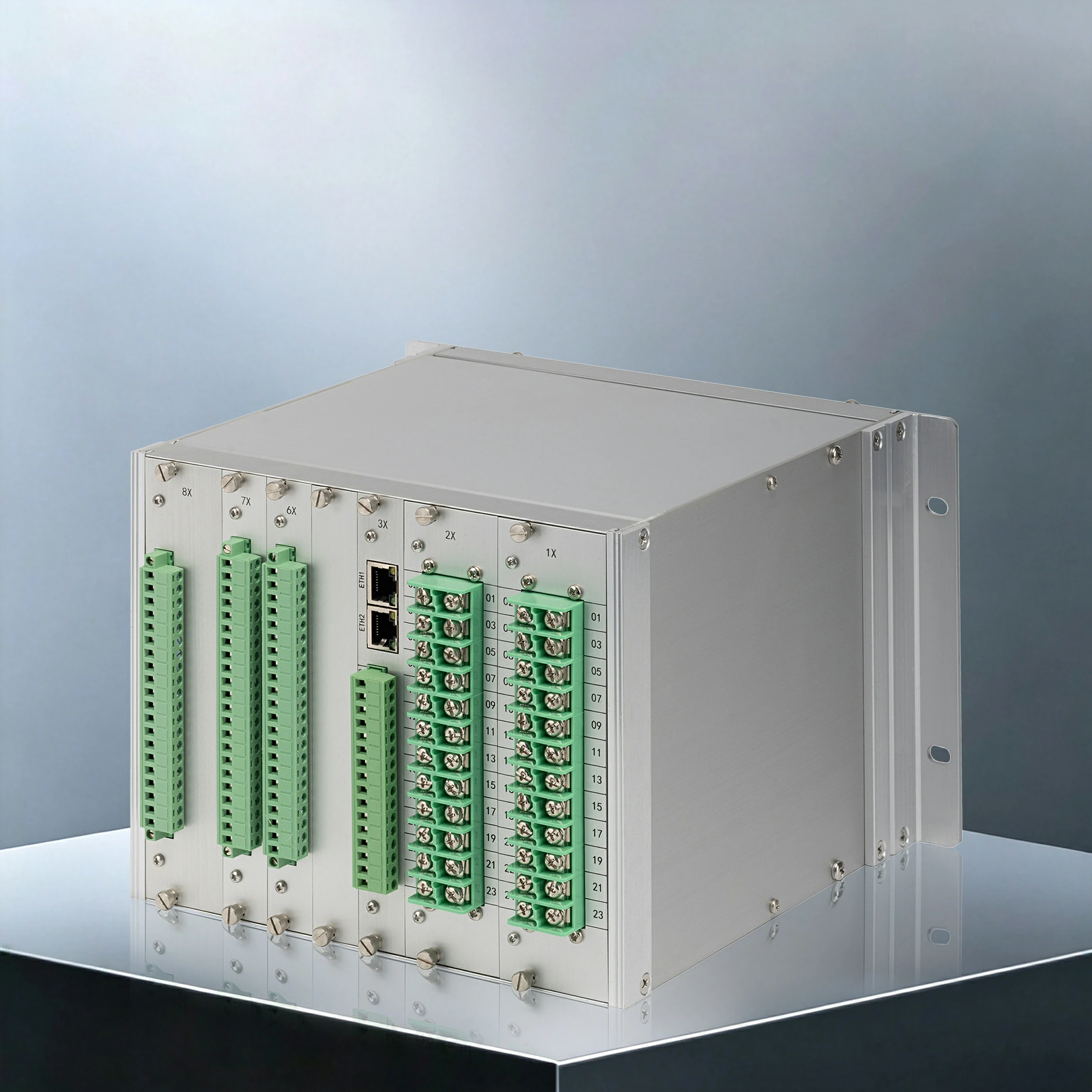
- Mechanical structure: GWPR350‑HSBT features a fully enclosed back‑plug modular chassis. Independent latching relays for tripping and closing outputs. Logic processing, communication and HMI units are electrically isolated in both hardware and software to avoid resource contention.
- Sampling performance: 0.5‑class voltage measurement accuracy, 0.2° phase‑angle measurement accuracy. GWPR350‑HSBT realizes real‑time tracking of amplitude, frequency and phase‑angle trajectories of decaying motor residual voltage.
- Reliability: GWPR350‑HSBT passed full‑set highest‑grade EMC type tests. Full‑loop hardware‑and‑software self‑diagnosis. Hardware faults directly block tripping/closing outputs to prevent mal‑operation.
2. Core Transfer Principle
- After loss of the working power source, asynchronous motors generate decaying residual voltage due to mechanical inertia. GWPR350‑HSBT continuously calculates voltage difference, frequency difference and phase‑angle difference between working‑bus residual voltage and standby‑source voltage. It automatically selects appropriate closing conditions and completes power transfer before substantial motor speed decay. This minimises power‑interruption duration and reduces electrical and mechanical shock.
3. Core Advantages
- High safety: Combined multi‑lockout and decoupling logic inside GWPR350‑HSBT prevents non‑synchronised closing and abnormal dual‑source parallel operation. All transfer outputs are automatically blocked for in‑zone busbar faults.
- Wide versatility: One single GWPR350‑HSBT unit covers single‑busbar and single‑busbar‑sectionalised configurations. Bidirectional mutual‑transfer logic is activated merely by modifying setting words, without secondary‑wiring modification.
- High‑speed performance: Power‑interruption duration under sequential transfer is determined solely by the breaker inherent closing time, far superior to the second‑scale delay of conventional automatic bus transfer.
- Traceability: GWPR350‑HSBT keeps complete records of transfer waveforms, breaker status changes, alarms and self‑test events. Data is retained after power‑off for post‑fault review and root‑cause analysis.
Functional Description
1. Seven Independently‑Configurable Initiation Criteria
- GWPR350‑HSBT covers various power‑loss conditions without waiting for busbar voltage to fall fully below threshold: protection‑initiated trigger, accidental‑breaker‑trip trigger, dual‑criterion undervoltage trigger, incoming‑feeder no‑current trigger, reverse‑power trigger, frequency‑voltage limit violation trigger, manual maintenance switchover trigger.
2. Three Breaker Operating Sequences
- Sequential Transfer (default for fault conditions): The standby‑source closing command is issued by GWPR350‑HSBT only after confirmation of working‑source breaker open status. It provides maximum safety margin and applies to all fault scenarios.
- Simultaneous Transfer: Trip and close commands are issued concurrently by GWPR350‑HSBT. A short closing delay is configurable to narrow the power‑interruption gap. Automatic tripping of the standby‑source breaker is enforced if the working‑source breaker fails to open, to avoid parallel operation.
- Parallel Transfer (manual‑initiated only): Short‑time parallel operation under satisfied synchronism conditions, followed by disconnection of the working source. Permitted only for maintenance and normal switchover; GWPR350‑HSBT forcibly blocks this mode under fault conditions.
3. Four‑Level Progressive Closing Criteria (Automatic Downgrade)
- Fast Transfer: Closing within system synchronism window. Minimal busbar voltage drop and lowest motor impact achieved by GWPR350‑HSBT.
- In‑Phase Capture: Precise capture of the voltage in‑phase point after loss of synchronism; busbar residual voltage maintained at 65%‑75% Un.
- Residual‑Voltage Transfer: Closing when busbar voltage decays to 20%‑40% Un, balancing equipment insulation safety and transfer success rate.
- Long‑Time‑Delay Transfer (backup): Forced delayed closing when preceding criteria are not satisfied, to avoid prolonged busbar de‑energisation.
4. Complete Lockout, Alarm and Auxiliary Functions
- Multi‑lockout conditions: Tripping/closing outputs of GWPR350‑HSBT are blocked upon detection of PT disconnection, directional overcurrent, abnormal breaker position, standby‑source undervoltage, device hardware fault or incomplete logic charge.
- Online alarms: Distinct alarms for busbar/incoming‑feeder PT disconnection, abnormal breaker position, reverse power, undervoltage and hardware fault; GWPR350‑HSBT actively uploads complete alarm messages.
- Logic charge‑discharge: All bidirectional transfer paths inside GWPR350‑HSBT implement a 10 s charging timer. Logic automatically discharges under abnormal operating modes to prevent mal‑operation.
- Setting and HMI: Independent enable/disable for each functional setting word. More than one hundred configurable electrical and time‑related parameters. Local LCD HMI with multi‑language support supports real‑time magnitude viewing, oscillogram display and event report browsing on GWPR350‑HSBT.
- Time‑synchronisation and communication: IRIG‑B code and pulse‑per‑second hardware time‑synchronisation for unified station‑wide timing. Oscillography and event data from GWPR350‑HSBT support local export and remote upload to supervisory system.
Application Scenarios
- Deploy GWPR350‑HSBT High‑Speed Busbar Transfer Device in the following typical applications:
- Thermal / Hydropower Plant Auxiliary Power: Single‑busbar‑sectionalised high‑voltage auxiliary busbars, ensuring continuous operation of critical auxiliary equipment such as boiler feed pumps and induced draft fans, and preventing unplanned unit outages.
- Metallurgy and Large‑Scale Mines: Non‑reversible processes including blast furnaces, rolling‑mill production lines and underground hoists. Resists grid voltage sags to avoid full‑line shutdown and safety hazards such as molten‑medium leakage.
- Petrochemical and Fine‑Chemical Industries: Continuous reaction processes such as cracking and polymerisation. Prevents huge material‑loss costs and toxic‑medium leakage risks caused by shutdown‑restart cycles.
- Photovoltaic and Electrochemical‑Energy‑Storage Collector Substations: 35 kV dual‑incoming collector busbars, stabilising PCS and inverter grid‑connected operation and reducing grid‑penalty losses.
- High‑Reliability Precision Power Distribution: Semiconductor manufacturing, biopharmaceutical plants and data centres. Prevents mass tripping of low‑voltage frequency converters and contactors and guarantees continuous power supply for precision‑critical loads.


